Special Edition
The Butcher's Bill of Confidence
A field guide to the deadliest military blunders in history — and the certainty that authored every one.
History's great military catastrophes were not visited upon mankind by a capricious God. They were authored, signed, and dated by confident men who skipped a step any corporal could have named: the water, the winter coat, the locked gate, the second glance at the map. What follows is not a chronicle of bad luck. It is a chronicle of certainty — the specific arrogance that relieves a commander of the tedious obligation to check. The blade here aims only at the men who gave the orders, never at the men who paid for them.
01
Rome Brings More — Cannae, 216 BC
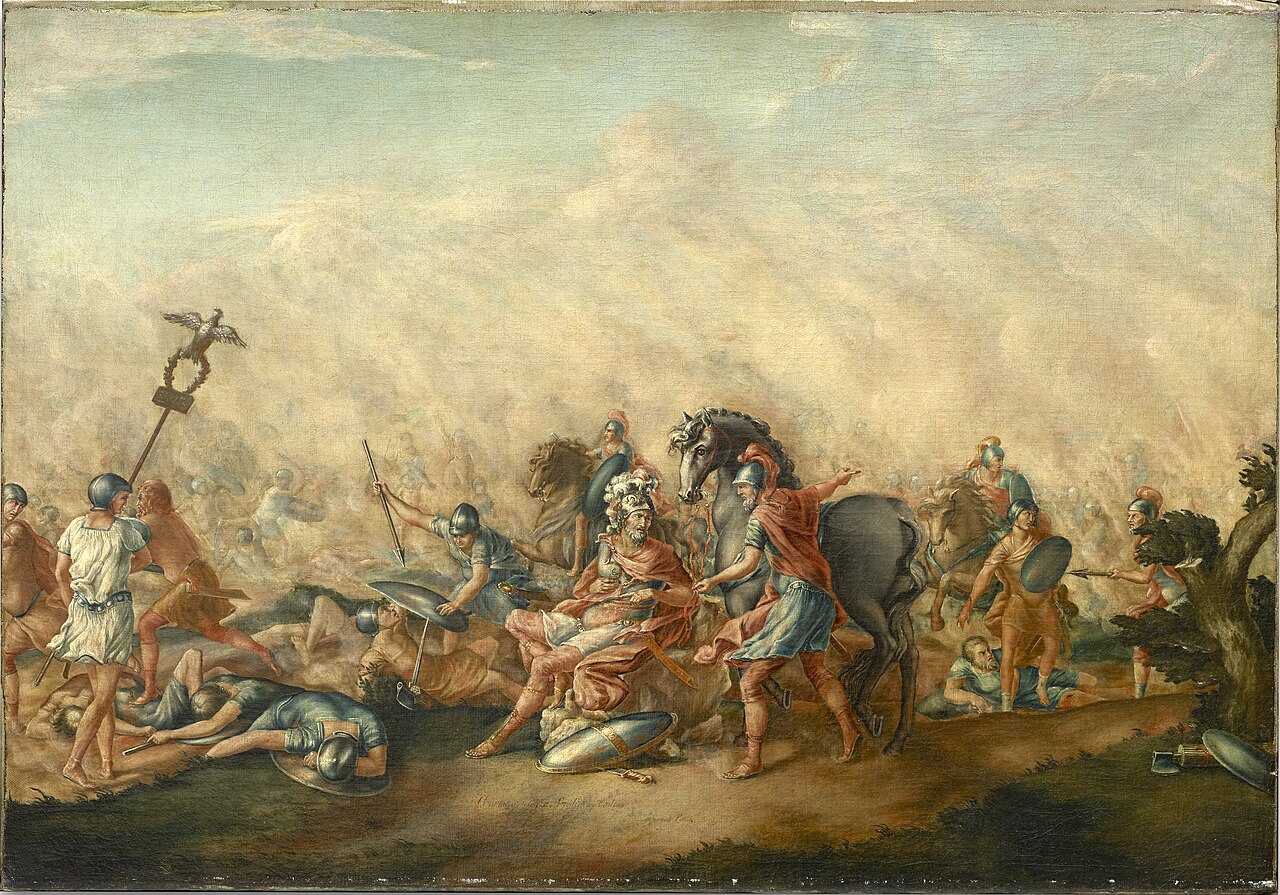
Humiliated by Hannibal twice, Rome raised the largest army it had ever fielded — perhaps 80,000 men — and handed it to a commander, Varro, who reasoned that the cure for defeat was simply more Romans. He packed them shoulder-to-shoulder into the center of a Carthaginian line that obligingly bent backward, then closed at the wings. By dusk some 50,000 to 70,000 Romans were dead, many killed where they stood, too tightly massed to raise a sword.
The verdict: The only thing more dangerous than a small army is a large one led by a man who believes that more and better are the same word.
Source: Warfare History Network
02
Give Me Back My Legions — Teutoburg Forest, 9 AD
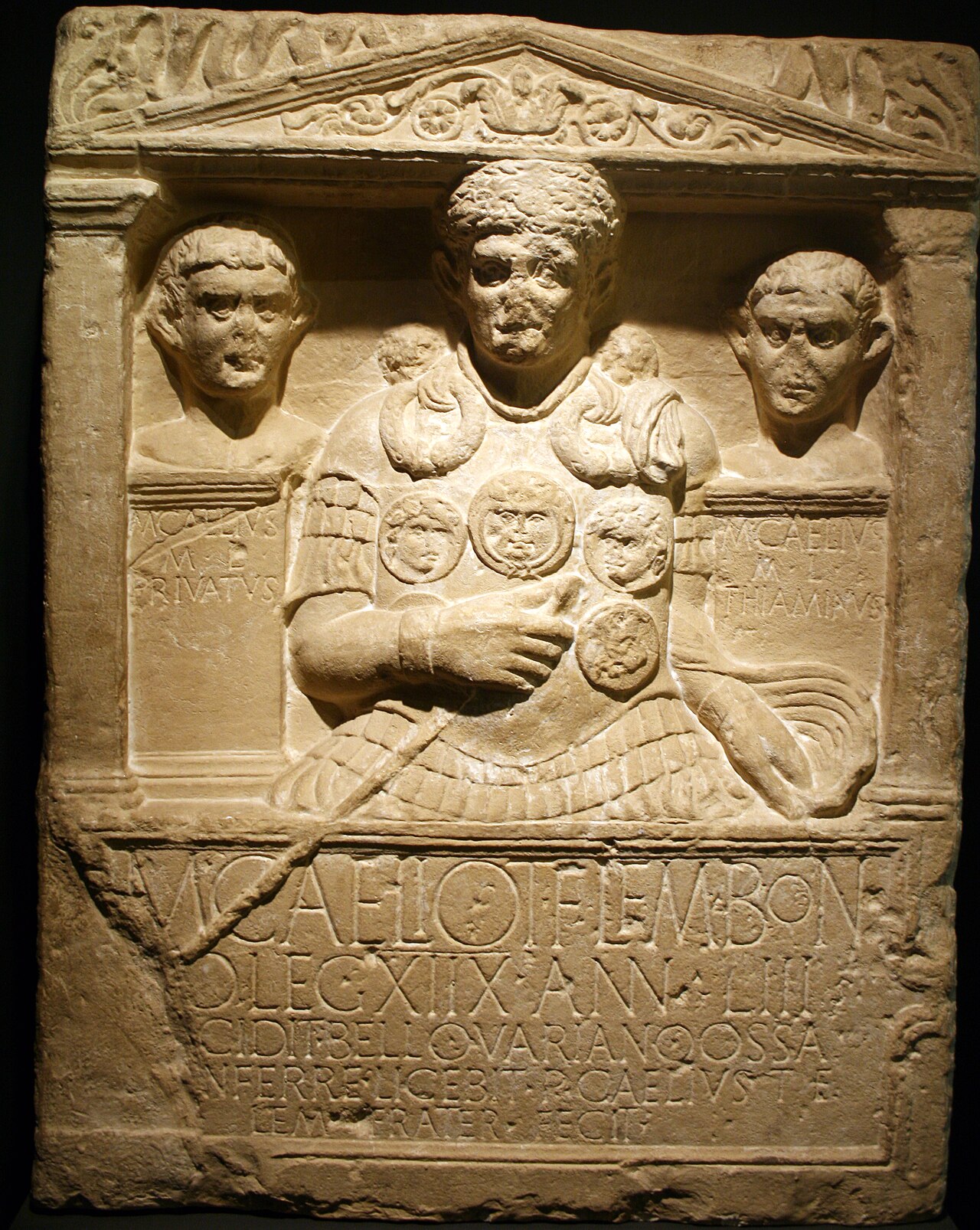
Publius Quinctilius Varus, governing a Germania he had decided was safely pacified, marched three legions — some 15,000 to 20,000 men — strung out for miles through dense forest on the assurance of a trusted local ally, Arminius, who was in fact guiding them into a prepared ambush. No serious reconnaissance, no defensible formation, in terrain that permitted neither. Over three days the legions were annihilated, and Rome abandoned its ambitions east of the Rhine for good. Augustus, it is said, spent months striking his head against the palace doors, crying 'Quinctilius Varus, give me back my legions!'
The verdict: There is no reconnaissance so thorough as the kind a commander skips because a man he has decided to trust has assured him the woods are friendly.
Source: Warfare History Network
03
The Emperor Burns His Own Boats — Julian the Apostate, 363 AD
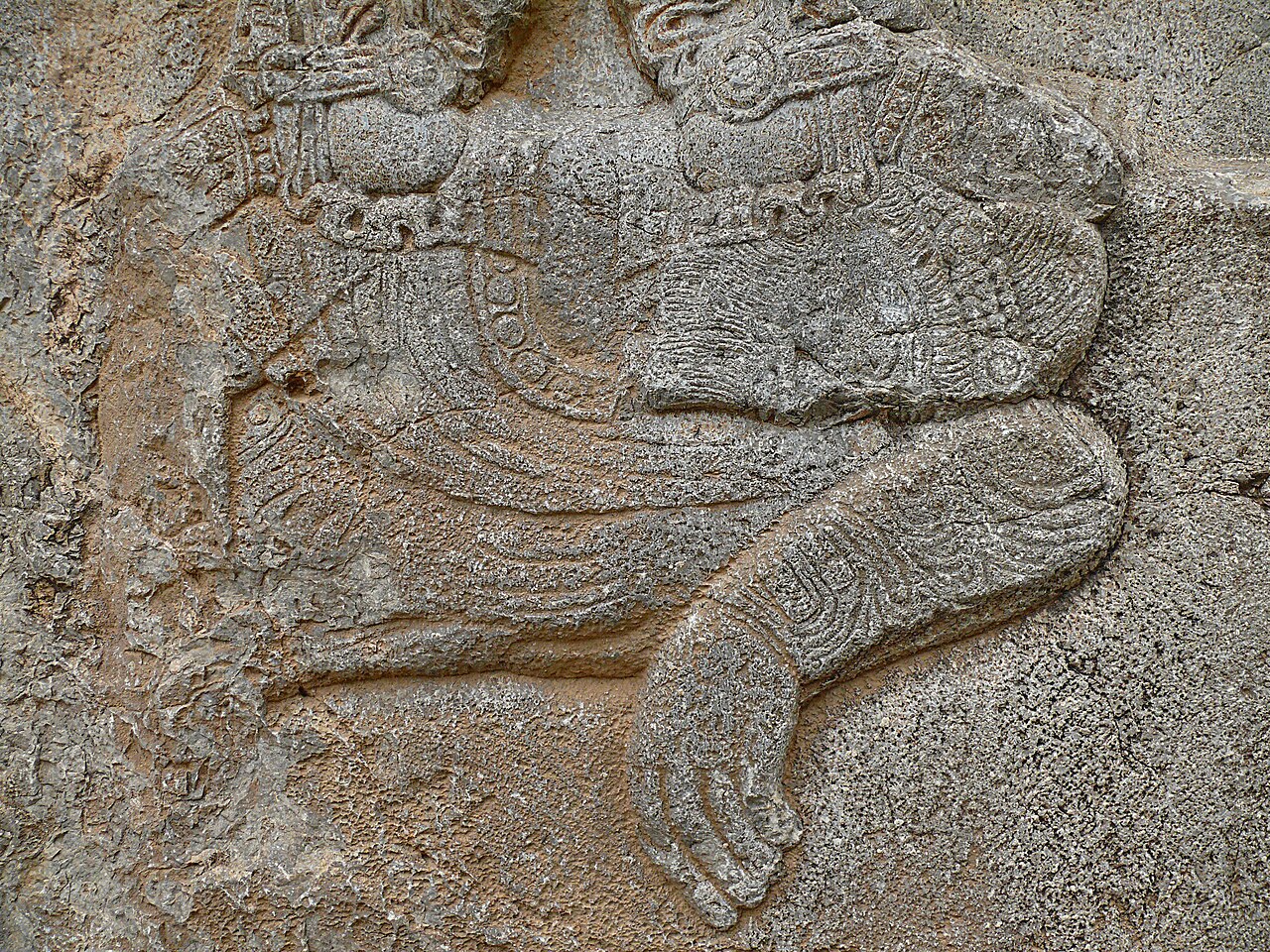
The philosopher-emperor marched deep into Persia, and to demonstrate that retreat was unthinkable, set fire to his own supply fleet on the Tigris. The Persians declined to oblige him with a battle. They simply withdrew, scorched the land, and let the sun and the thirst present the bill. Julian died in a pointless skirmish, leaving an army stranded in a desert with no fleet, no food, and no contingency he had thought worth keeping.
The verdict: A man so certain of his destiny that he personally set fire to the only road home.
Source: The Collector
23 special editions. A new one every fortnight. The daily catalogue of human folly — free, every morning, from a trial lawyer who has run out of patience.
No algorithms. No engagement bait. Just the view from the abyss.
04
The Gate Nobody Checked — Constantinople, 1453
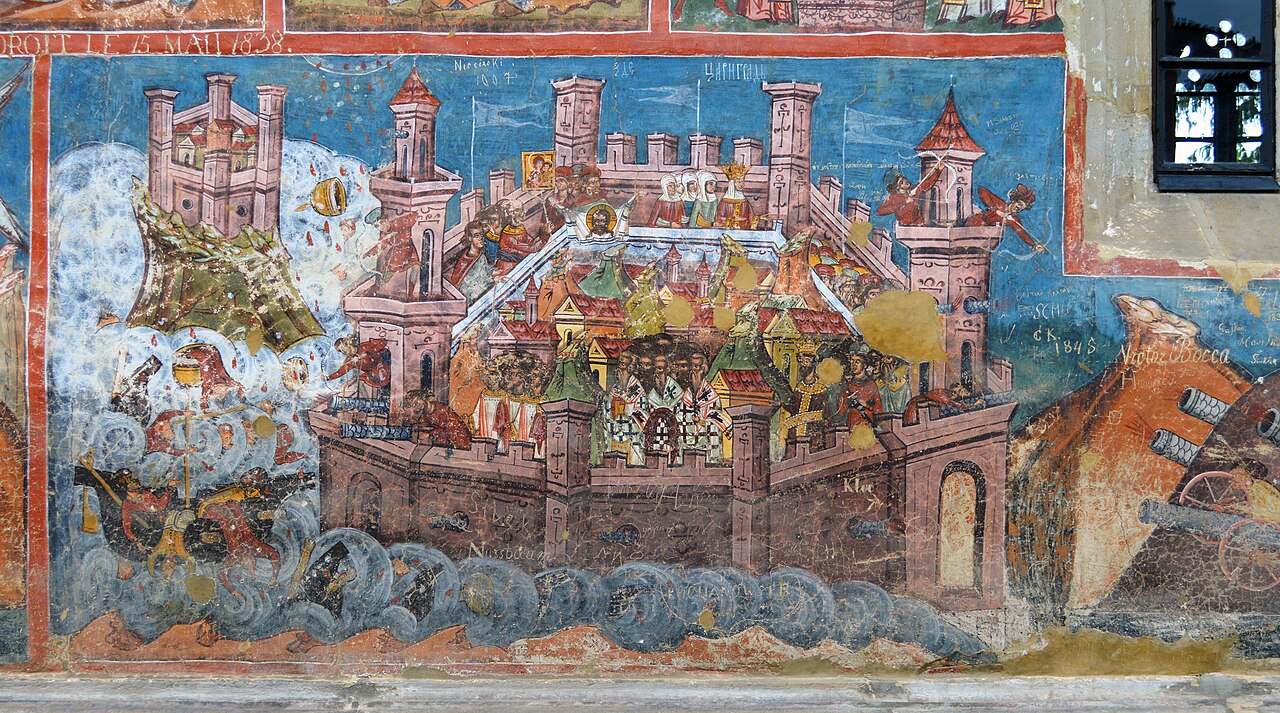
The Theodosian Walls turned away every invader for a thousand years. In 1453 they were breached, in part, because someone had left the Kerkoporta — a small sally-port — unlocked. The Ottomans found it open. An empire that had outlasted a millennium of sieges, plagues, and emperors was undone in some measure by the medieval equivalent of forgetting to lock the back door.
The verdict: Civilizations, like apartments, are mostly burgled through the one entrance no one thought to check.
Source: Ancient Origins
05
Into the Valley, Because No One Said 'Which Guns?' — The Charge of the Light Brigade, 1854
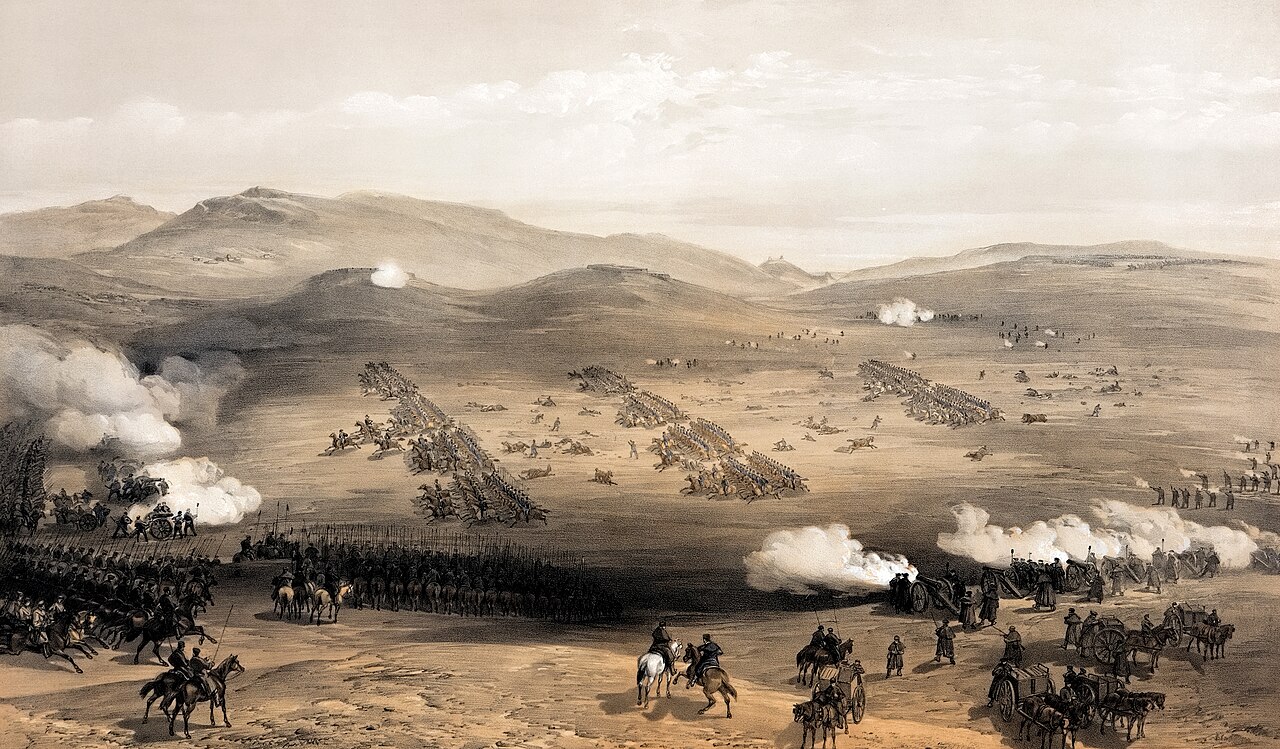
At Balaclava a vague order passed down a chain of command too vain to ask for clarification. Some 600 British cavalry, told to charge 'the guns,' charged the wrong ones — straight down a valley into Russian artillery firing from three sides. They reached the cannons. Then those who could turned around and rode back through the same fire.
The verdict: 'Someone had blundered,' wrote Tennyson, with the national gift for understatement. The someone was everyone, and the blunder was a refusal to utter the word clarify.
Source: Warfare History Network
06
It Is All My Fault — Pickett's Charge, Gettysburg, 1863
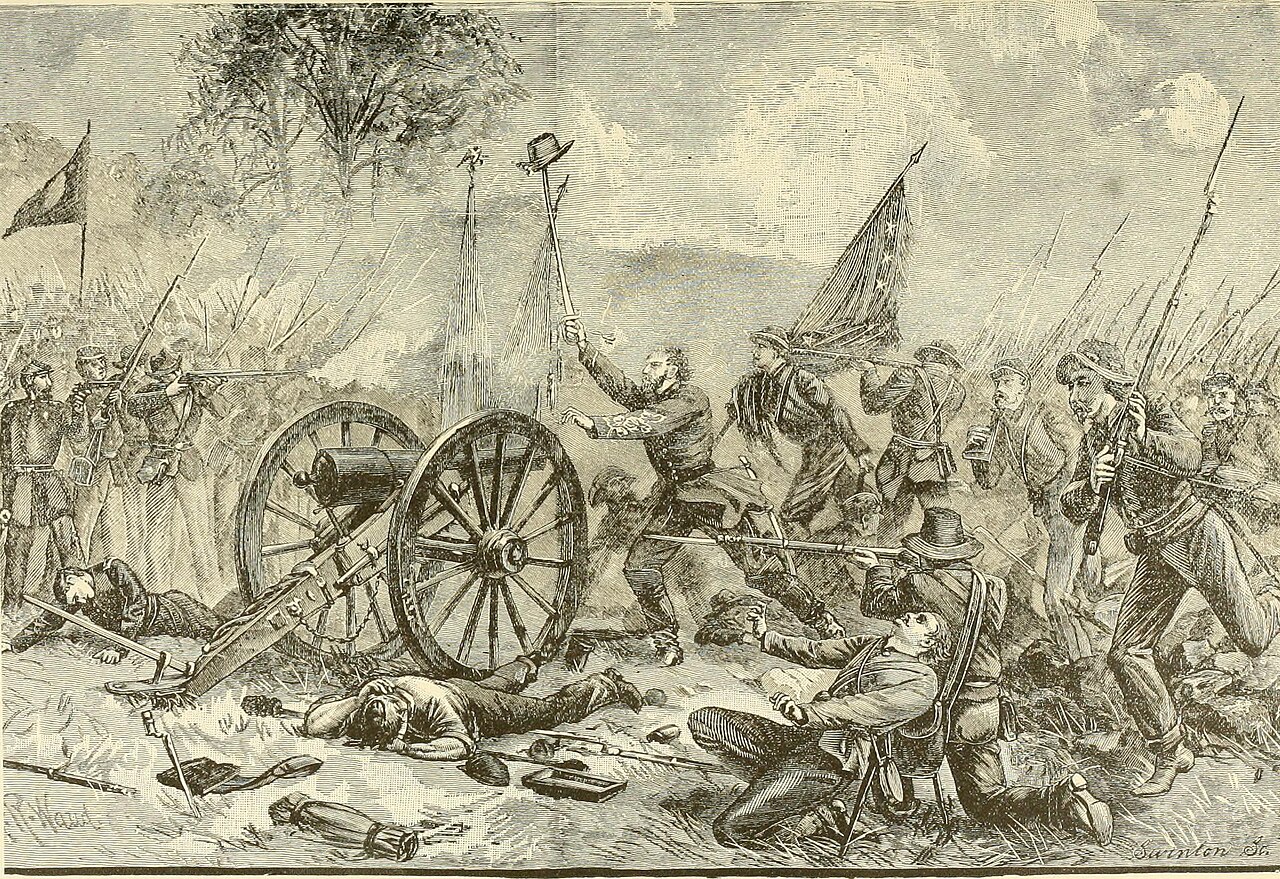
Flush with the aura of invincibility he had earned at Chancellorsville, Robert E. Lee ordered some 12,500 men to march three-quarters of a mile across open ground and break the fortified center of the Union line — over the explicit, repeated objection of his ablest lieutenant, James Longstreet, who told him plainly that no fifteen thousand men who ever lived could take that position. Lee was certain. The men stepped off into converging artillery and massed rifle fire, and barely half came back. As the survivors streamed past him, Lee rode among them repeating the only sound assessment anyone produced that day: 'It is all my fault.'
The verdict: He kept a lieutenant whose entire duty was to tell him the truth, and who did — and the one indulgence his certainty could not afford was listening to it.
Source: Warfare History Network
07
The Scouts Were Right — Little Bighorn, 1876
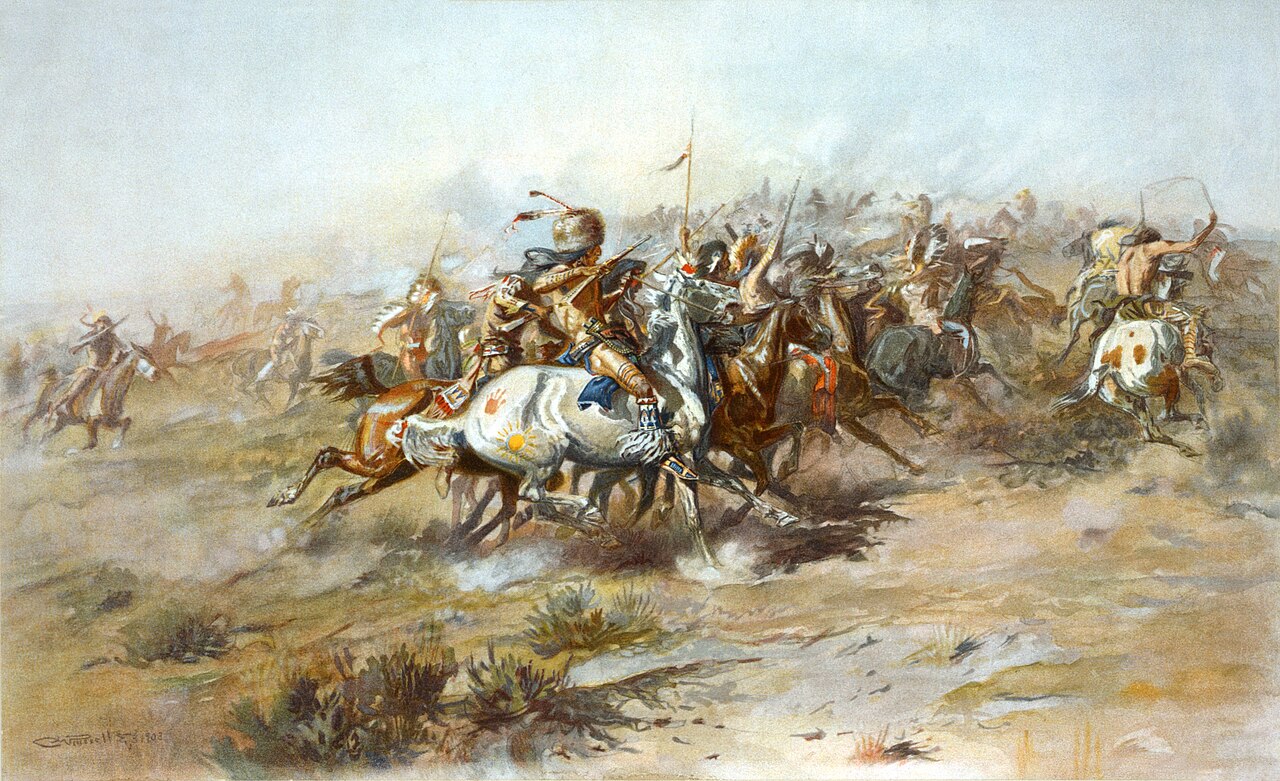
Custer's own scouts told him the encampment ahead was the largest they had ever seen — too large. So he divided his already-outnumbered command into three and attacked it, because glory does not wait for reconnaissance and certainly does not wait for arithmetic. He and every man under his immediate command were killed.
The verdict: The scouts and Custer reached precisely opposite conclusions. The difference is that the scouts lived to be proven right.
Source: Warfare History Network
08
Too Proud to Circle the Wagons — Isandlwana, 1879
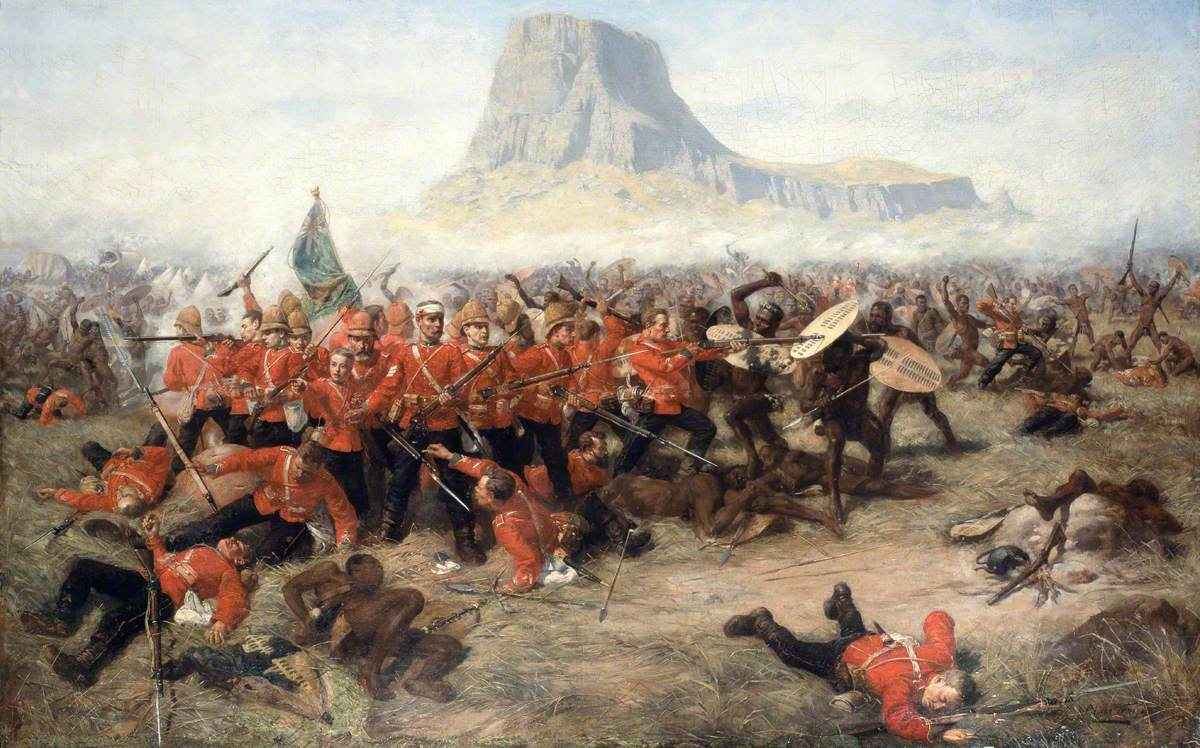
A British column, so contemptuous of a 'primitive' Zulu enemy that it did not trouble to entrench or laager its wagons, made camp in the open. Some 20,000 Zulu warriors arrived to dispute the assessment of their capabilities, and overran a force that had armed itself with confidence in place of defenses.
The verdict: Arrogance is the one form of body armor that makes a man conspicuously easier to kill.
Source: Sky HISTORY
09
Over by Christmas — Gallipoli, 1915
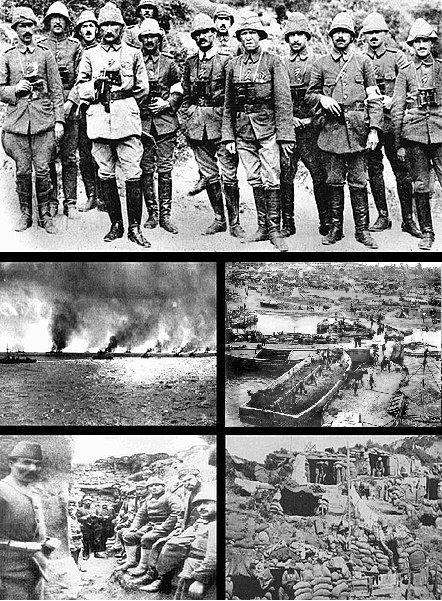
A bold plan to knock the Ottomans out of the war by force of amphibious daring, executed with poor maps, worse intelligence, and the governing assumption that the Turk would not seriously fight. Eight months and roughly a quarter-million Allied casualties later, the only operation conducted with real competence was the evacuation.
The verdict: Nearly every catastrophe in this catalogue opens with the same four words: it'll be over by Christmas.
Source: Warfare History Network
10
Walk, Do Not Run — The Somme, 1 July 1916
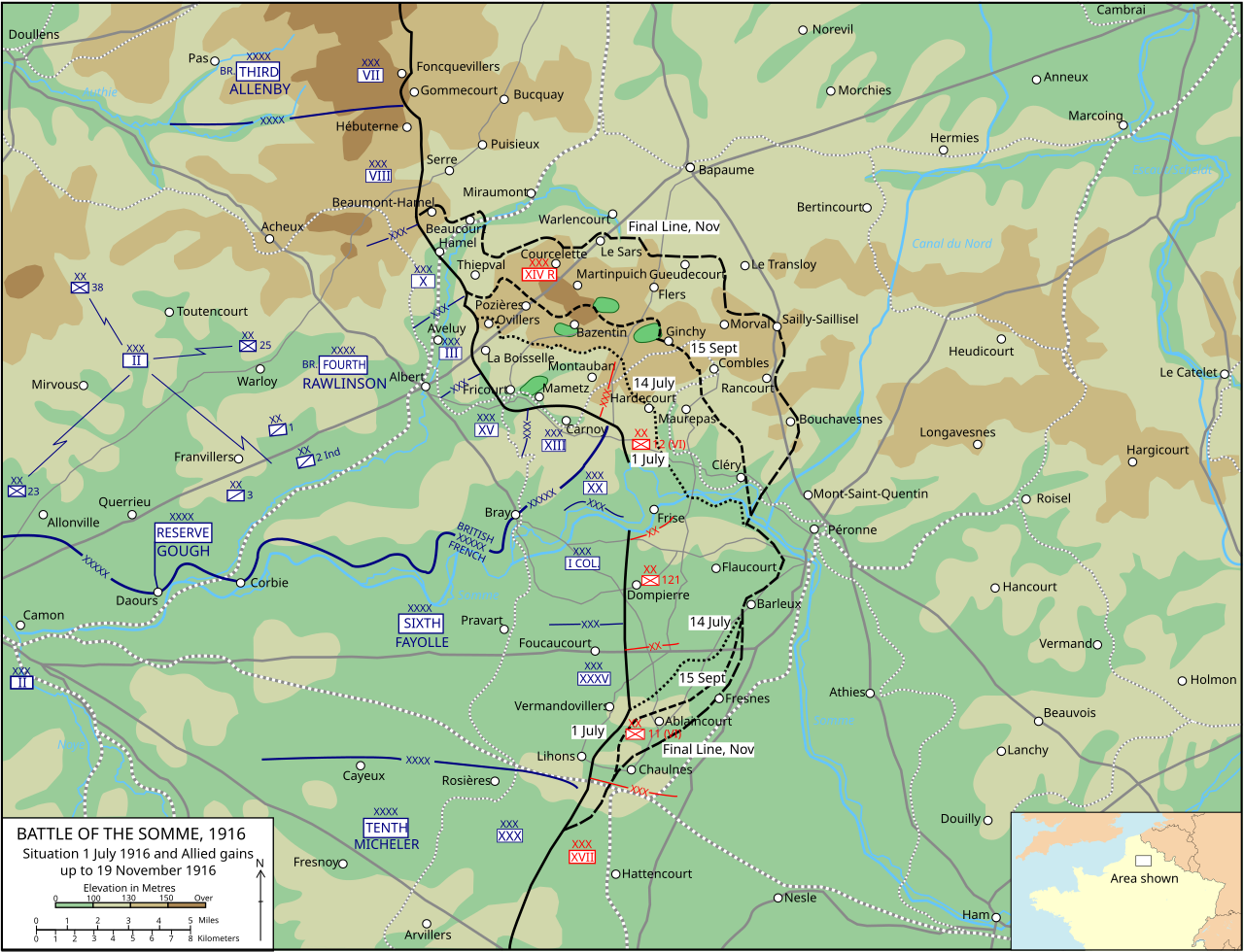
A week-long bombardment was meant to pulverise the German trenches and cut the barbed wire so completely that the British infantry could cross no-man's-land at a walk, in tidy lines, rifles shouldered — there would, the plan promised, be no one left alive to stop them. The wire was not cut and the defenders were not dead. On that single morning nearly twenty thousand British soldiers were killed — killed, not wounded — the bloodiest day in the history of the British Army, as line after line walked into the machine guns exactly as instructed.
The verdict: The plan was so sure of itself it ordered men to stroll toward the guns, and when the guns dissented, its authors revised neither the plan nor their confidence in it.
Source: HISTORY
11
The General Who Could Not Read a Calendar — Napoleon in Russia, 1812
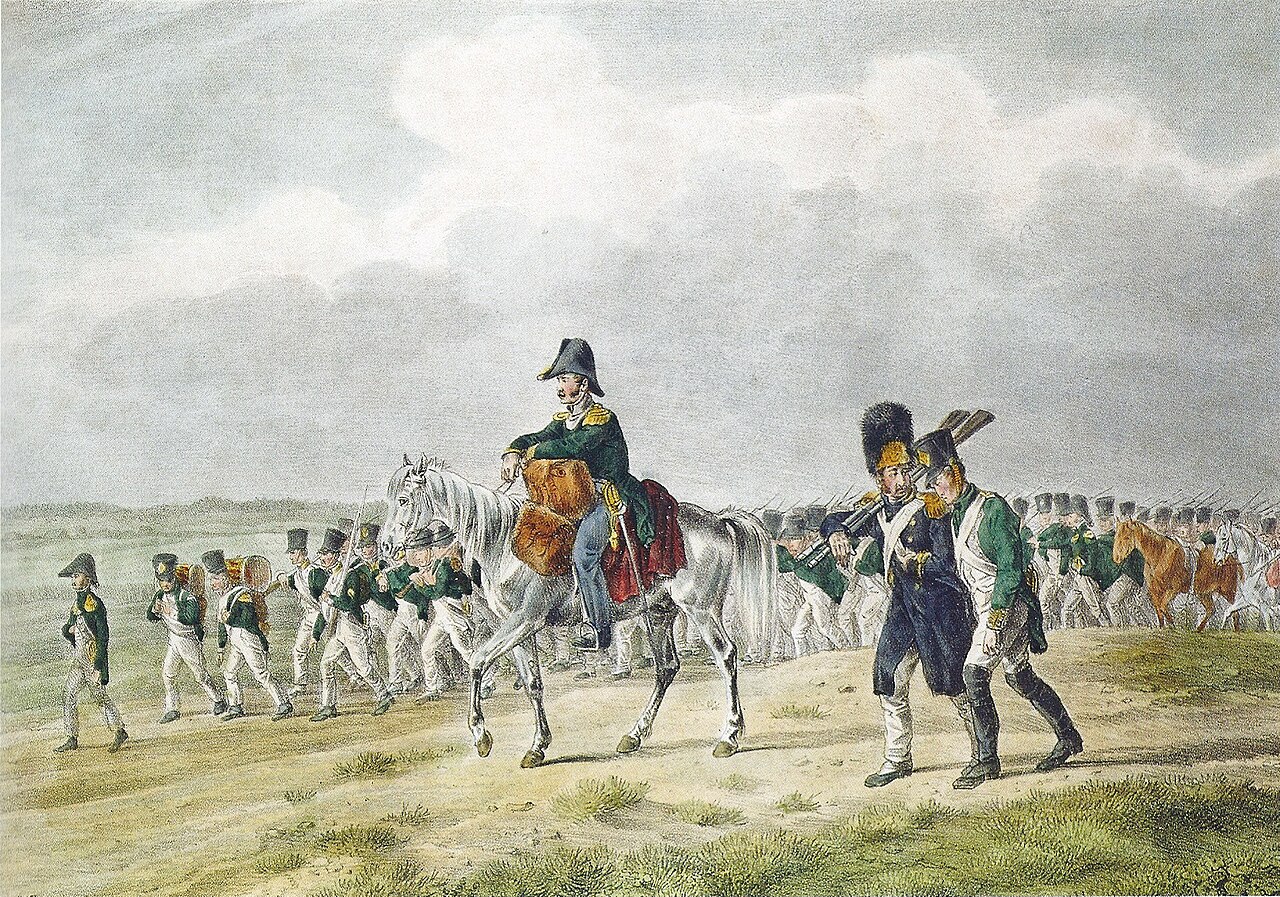
Some 600,000 men marched east in summer, certain the Tsar would sue for peace before the cold arrived. The Russians simply refused to fight on Napoleon's schedule, burned their own country behind them, and let the winter audit the invasion. Roughly 100,000 staggered back. The Grande Armée had been defeated less by an enemy than by a season it had declined to plan for.
The verdict: The largest army in Europe was beaten by a calendar it considered beneath its notice.
Source: HISTORY
12
Same Country, Same Direction, Same Coat He Forgot to Pack — Operation Barbarossa, 1941
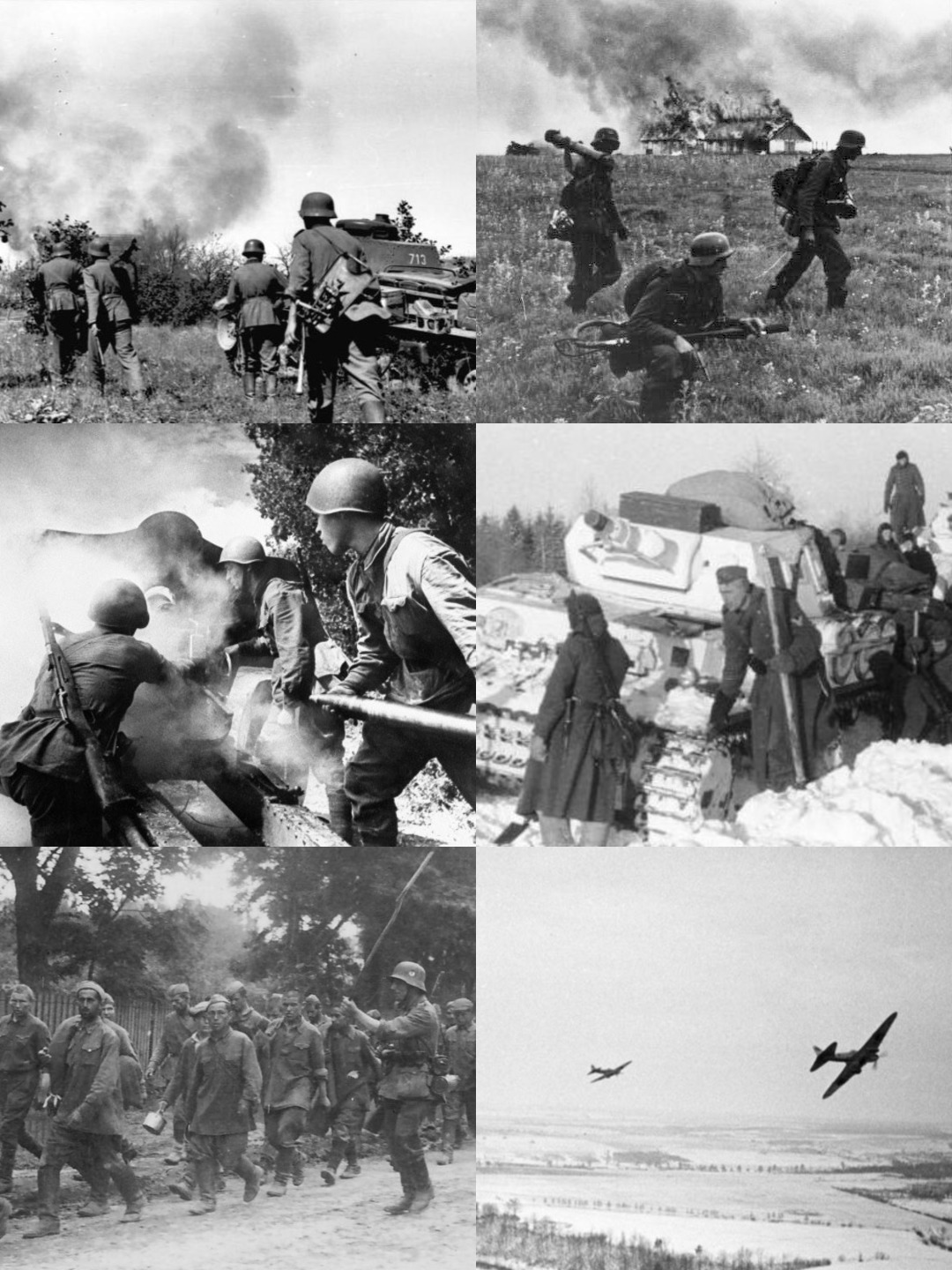
Hitler, who had read of 1812 in school like everyone else, invaded the same country in the same direction with the same conviction of victory before winter — and was so sure of it that the Wehrmacht was issued no proper winter clothing. His soldiers froze outside Moscow in their summer kit, on ground a French army had already manured with the identical mistake 129 years before.
The verdict: The one lesson history teaches with perfect reliability is that the confident man does not attend the lecture.
Source: HISTORY
13
A Magnificent Wall to the Wrong War — The Maginot Line, 1940
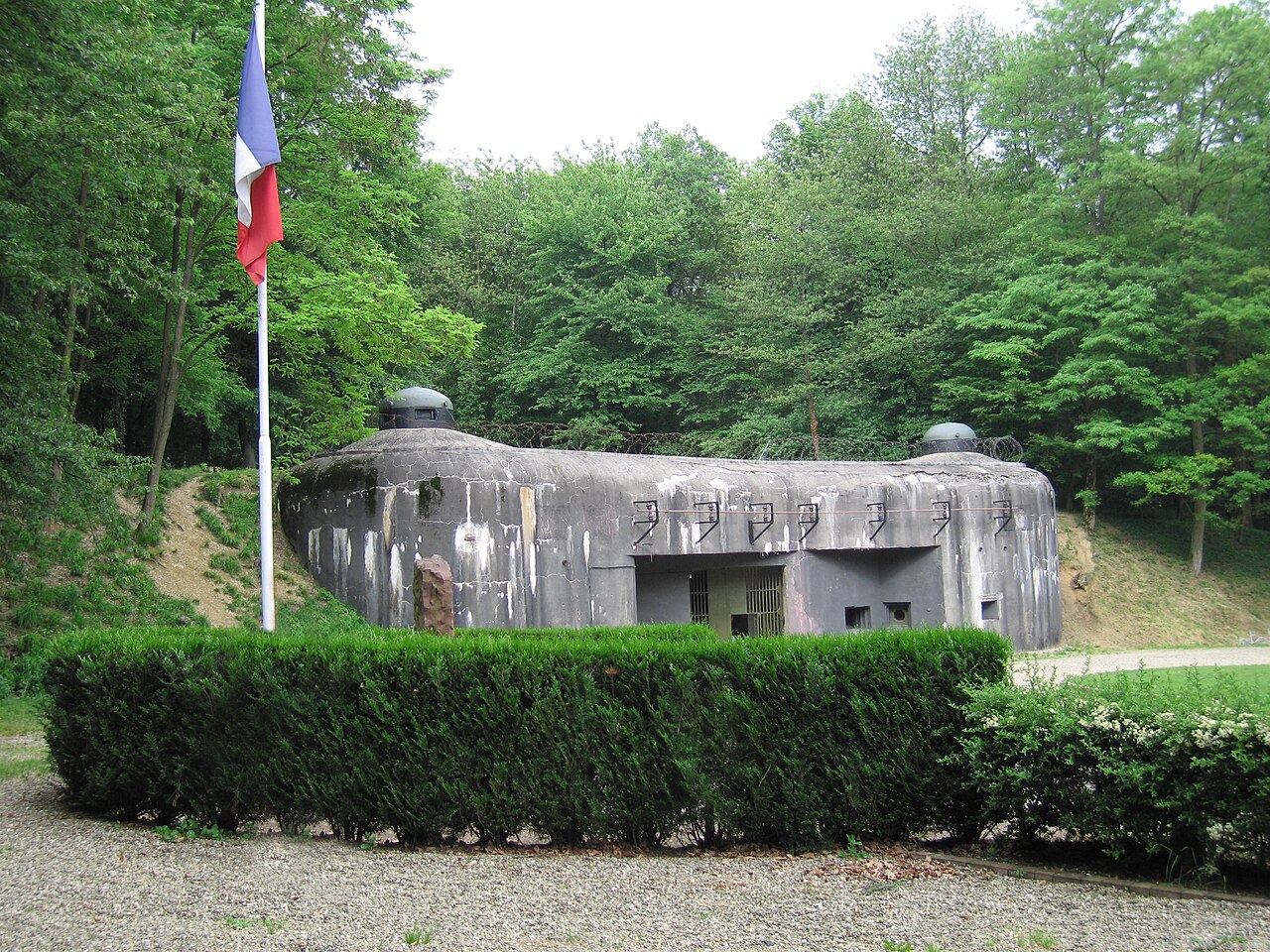
France spent a decade and a fortune raising an impregnable line of fortifications along its German border — and then watched the Germans drive around the end of it, through the Ardennes forest the high command had pronounced impassable to tanks. The wall held flawlessly. The enemy simply went where the wall was not.
The verdict: The most expensive way to lose a war is to prepare, perfectly and at enormous cost, for the previous one.
Source: Warfare History Network
14
Twice Dealt the Same Losing Hand — Saddam Hussein, 1991 & 2003
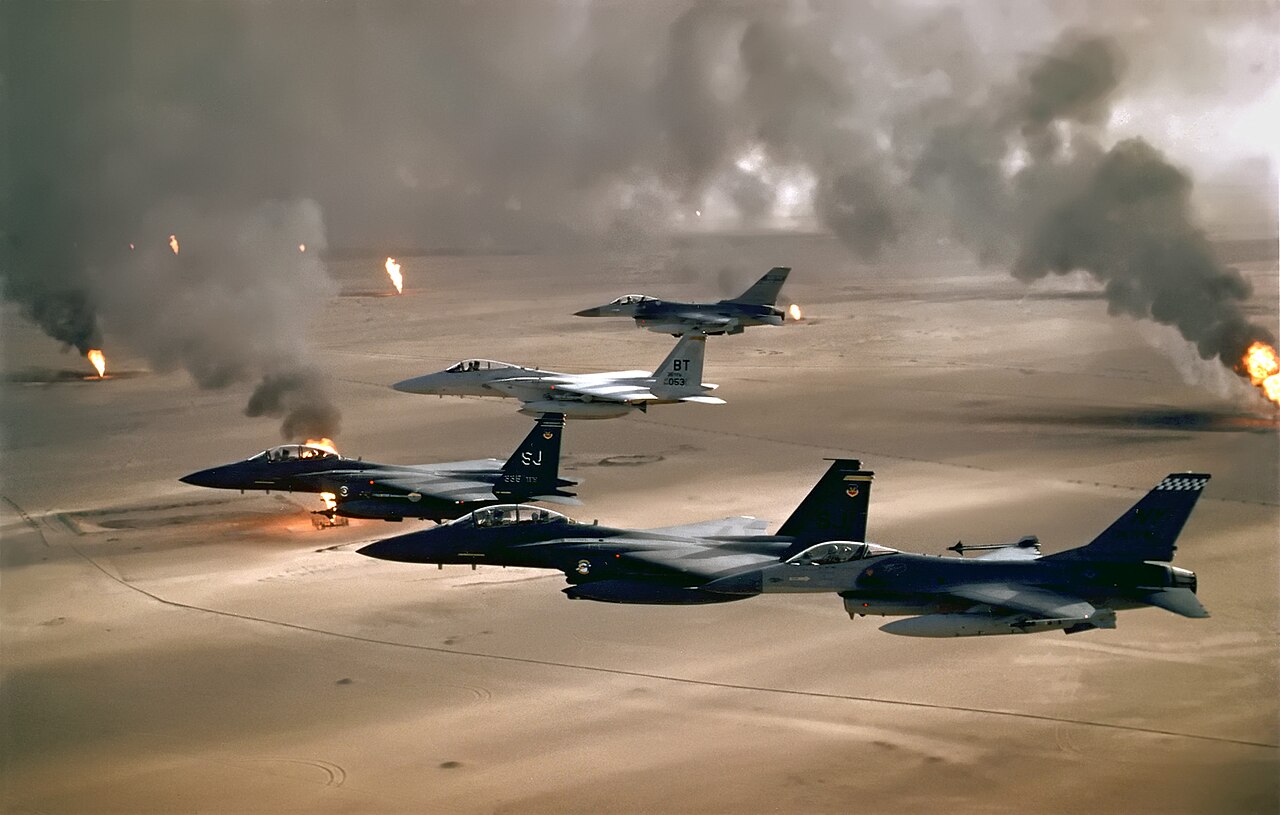
Twice Saddam Hussein was handed a catastrophe with a simple door out of it, and twice he refused to walk through it. In 1991, having seized Kuwait, he elected to keep it and face the largest coalition assembled since the Second World War; his army was destroyed in roughly a hundred hours. Granted a second chance a decade later, the entire price of survival was to open the books and document the destruction of weapons he no longer possessed — and instead he chose menace and ambiguity, bluffing about an arsenal that was not there. He was invaded, pulled from a hole in the ground, and hanged.
The verdict: He bluffed twice with an empty hand against the strongest table on earth, and learned too late, both times, that the one move his pride forbade was the only one that could have saved him: folding.
Source: HISTORY
Notice what these disasters share. Not cowardice — many were brave to the point of stupidity. Not weakness — several commanded the strongest forces of their age. What unites them is a single author: the confident man who omitted the obvious step because certainty had excused him from it. The water. The winter coat. The locked gate. The second look at the map. The corporal would have caught it. The genius did not — and the difference, measured in graves, is the entire subject of this newspaper.
23 special editions. A new one every fortnight. The daily catalogue of human folly — free, every morning, from a trial lawyer who has run out of patience.