Special Edition
The Devil's Interval: Composers Behaving Badly
From Gesualdo's dagger to Ozzy's dove: four centuries of immortal music, written by men to whom you would not have lent a houseplant.
Music is the art most often mistaken for virtue. A novelist may be forgiven his vices, a painter expected to have them — but the man who wrote the slow movement, we feel, must surely have possessed a soul to match it. The documentary record says otherwise, loudly and across four centuries. The composers of the Western canon murdered, gambled, sponged, seduced, plotted, and preened at rates that would embarrass a mid-tier crime family, and they did it while producing the most exalted sound civilization has ever made. What follows is a gallery of thirteen, arranged chronologically so the reader may watch the depravity modernize while the human material stays exactly the same. The music is immortal. The men were something else.
01
The Prince Who Composed His Own Confession — Carlo Gesualdo, 1590

Detail photo: Flopinot2012, CC BY-SA 3.0, via Wikimedia Commons
Gesualdo, Prince of Venosa, wrote madrigals of such tortured chromaticism that composers three centuries later were still catching up. On the night of October 16, 1590, informed that his wife Maria d'Avalos was entertaining Fabrizio Carafa, Duke of Andria, he returned to his Naples palazzo with armed servants and butchered them both in the bed, and did not trouble to hide what he had done — a prince of the blood could not be prosecuted, and he knew it. He retired to his castle, kept a private ensemble of virtuosi, composed six books of increasingly harrowing madrigals, and in his last years paid servants to beat him on a schedule.
The verdict: Naples could not try him, so he convened the tribunal himself — and published its findings, in five voices, for four hundred years of listeners. No court has ever extracted a longer confession.
Source: Wikipedia
02
Death by Conducting — Jean-Baptiste Lully, 1687

Paul Mignard, public domain, via Wikimedia Commons
A Florentine kitchen servant who danced, flattered, and schemed his way to absolute mastery of French music, Lully secured royal patents so jealous that rival theatres were legally limited to a pair of singers and a handful of instruments — a monopoly enforced not on quality but on paper. He ruined competitors by decree, collected offices the way other men collected snuffboxes, and made himself so indispensable to the Sun King that no intrigue could dislodge him. Then in 1687, beating time for a Te Deum in thanksgiving for the King's recovery from surgery, he drove the great conducting staff into his own foot, refused amputation on the grounds that he was a dancer, and died of the gangrene.
The verdict: He monopolized French music by decree and was killed by the one instrument of his authority he could not delegate. Heaven let him finish the Te Deum first, which was gracious.
Source: Wikipedia
03
Beelzebub, Chief of the Devils — George Frideric Handel, 1723
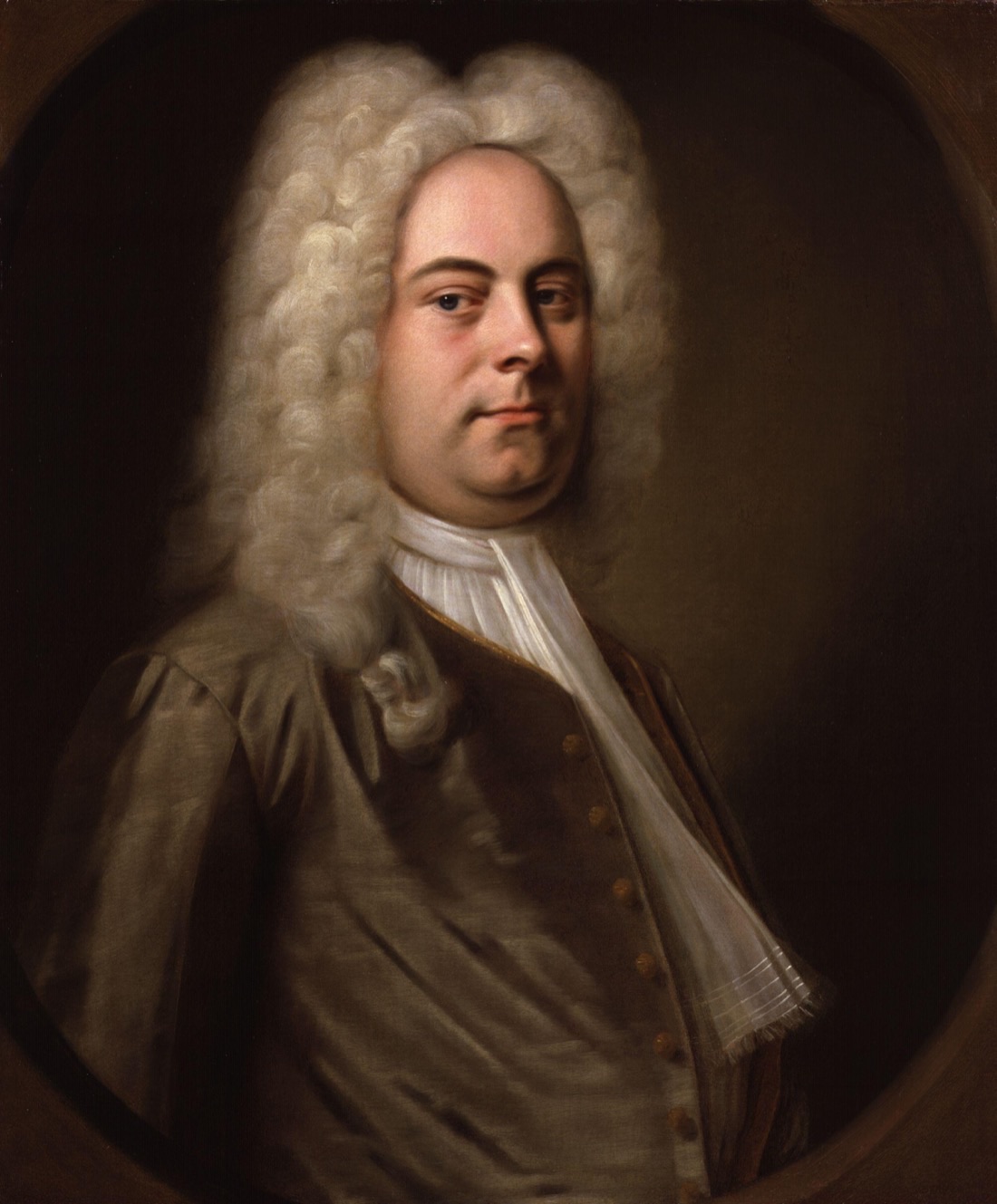
Attributed to Balthasar Denner, public domain, via Wikimedia Commons
When the celebrated soprano Francesca Cuzzoni refused to sing an aria in his opera Ottone — she found it beneath her — Handel, according to his first biographer, seized her bodily and informed her that while she might be a very devil, he was Beelzebub, chief of the devils, and would throw her out the window if she did not sing. She sang. Management then improved on the arrangement by hiring her archrival Faustina Bordoni, and the feud between the two prima donnas so inflamed their partisans that a June 1727 performance of Bononcini's Astianatte — staged before Princess Caroline, no less — dissolved into hissing, catcalls, and what the record calls 'other great indecencies' from the rival camps, and had to be abandoned along with the rest of the season.
The verdict: Modern human resources would call the composer's end of it assault, constructive coercion, and a hostile work environment. The eighteenth century called it a rehearsal. The aria, for the record, was a hit.
Source: Wikipedia
23 special editions. A new one every fortnight. The daily catalogue of human folly — free, every morning, from a trial lawyer who has run out of patience.
No algorithms. No engagement bait. Just the view from the abyss.
04
The Divine Potty-Mouth — Wolfgang Amadé Mozart, 1777–1782
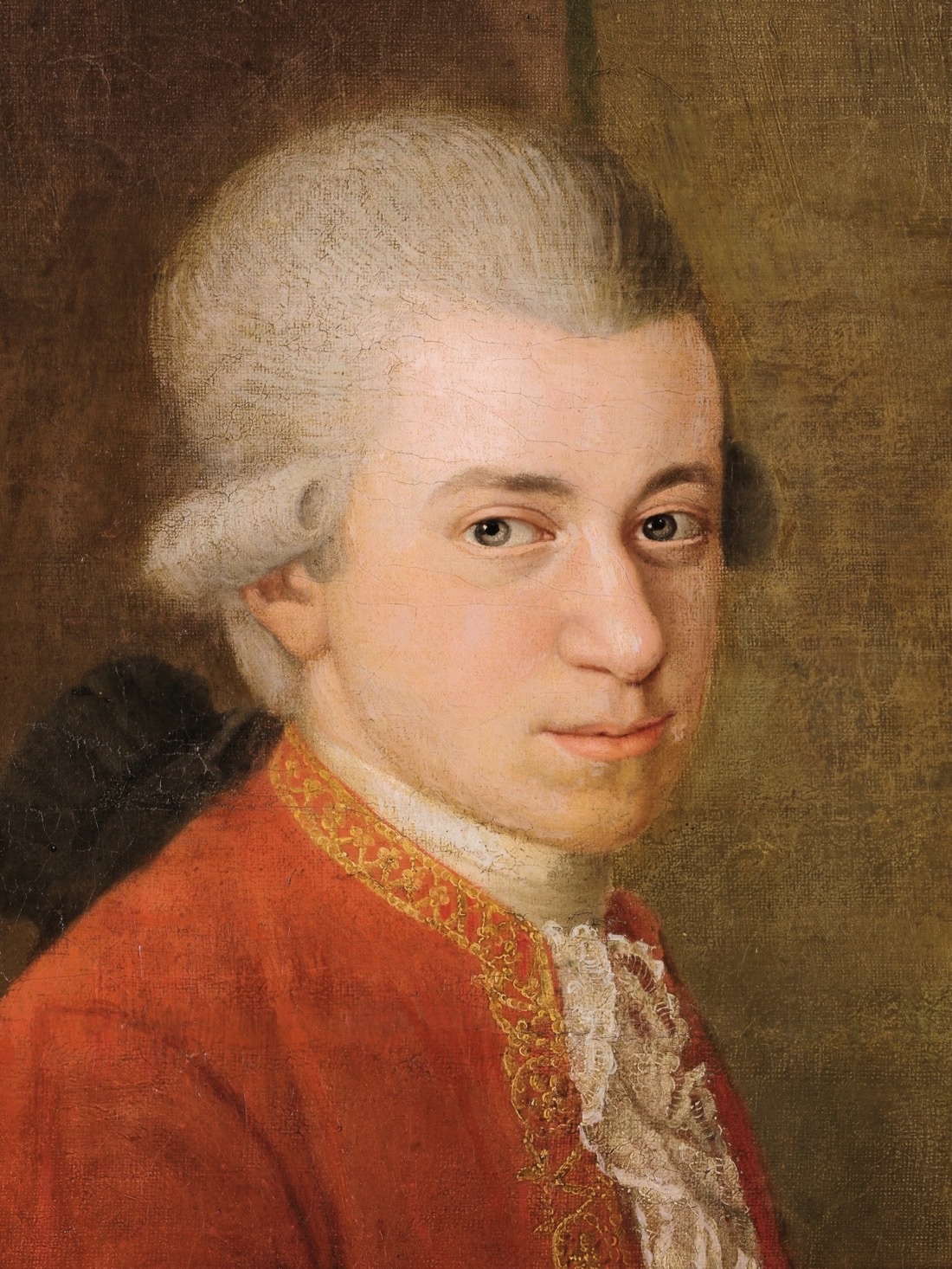
Johann Nepomuk della Croce, public domain, via Wikimedia Commons
The man who appeared to take dictation from heaven spent his correspondence in the gutter and enjoyed every minute of it. His surviving letters to his cousin Maria Anna Thekla — the notorious Bäsle letters — are page after page of cheerful, rhyming, anatomically exhaustive filth from the greatest melodic gift the species has produced, and he set the same register to music in a canon whose title, 'Leck mich im Arsch,' the publishers discreetly retitled after his death. He gambled at billiards, spent whatever he had, and died broke.
The verdict: Proof, in the composer's own hand, that genius does not launder the rest of the man. Heaven dictated the Requiem to somebody who signed his letters with instructions we cannot reprint.
Source: Wikipedia
05
Arrested as a Tramp — Ludwig van Beethoven, 1821
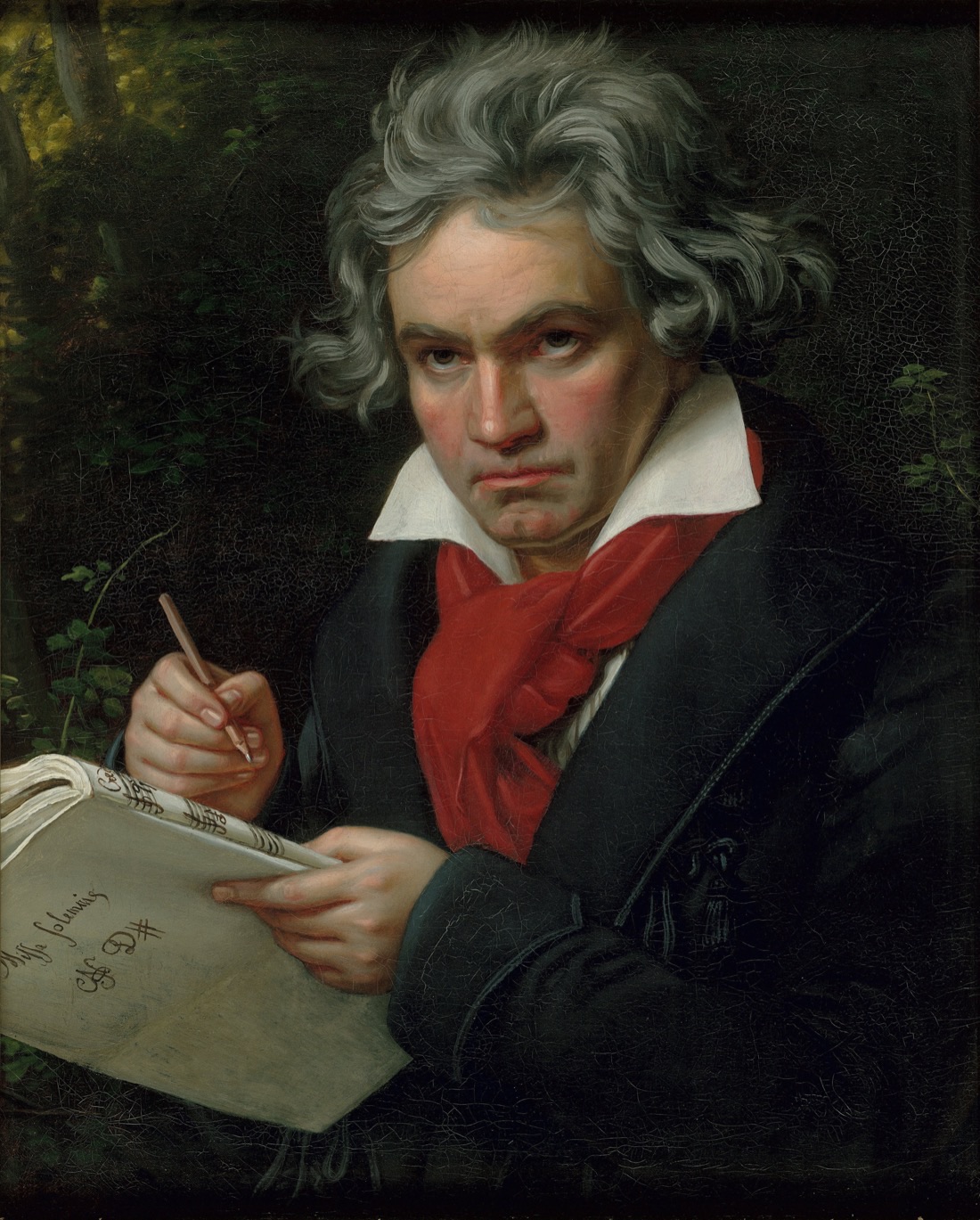
Joseph Karl Stieler, public domain, via Wikimedia Commons
In the autumn of 1821 the most famous composer alive was arrested in Wiener Neustadt as a vagrant, having wandered out of his lodgings hatless and disheveled and been reported for peering into windows. His protests were met with the immortal police assessment: Beethoven doesn't look like this. He was held until a local musician was fetched to identify him. The episode was entirely in character for a man who changed lodgings in Vienna scores of times because no landlord or housekeeper could endure him, hurled plates and eggs at servants, and spent five years in litigation against his widowed sister-in-law — whom he styled the Queen of the Night — for custody of his nephew.
The verdict: The Ninth Symphony says all men become brothers. The Vienna housekeeping class, deposed under oath, would have entered a dissent.
Source: Wikipedia
06
The Devil's Bookmaker — Niccolò Paganini, 1800s
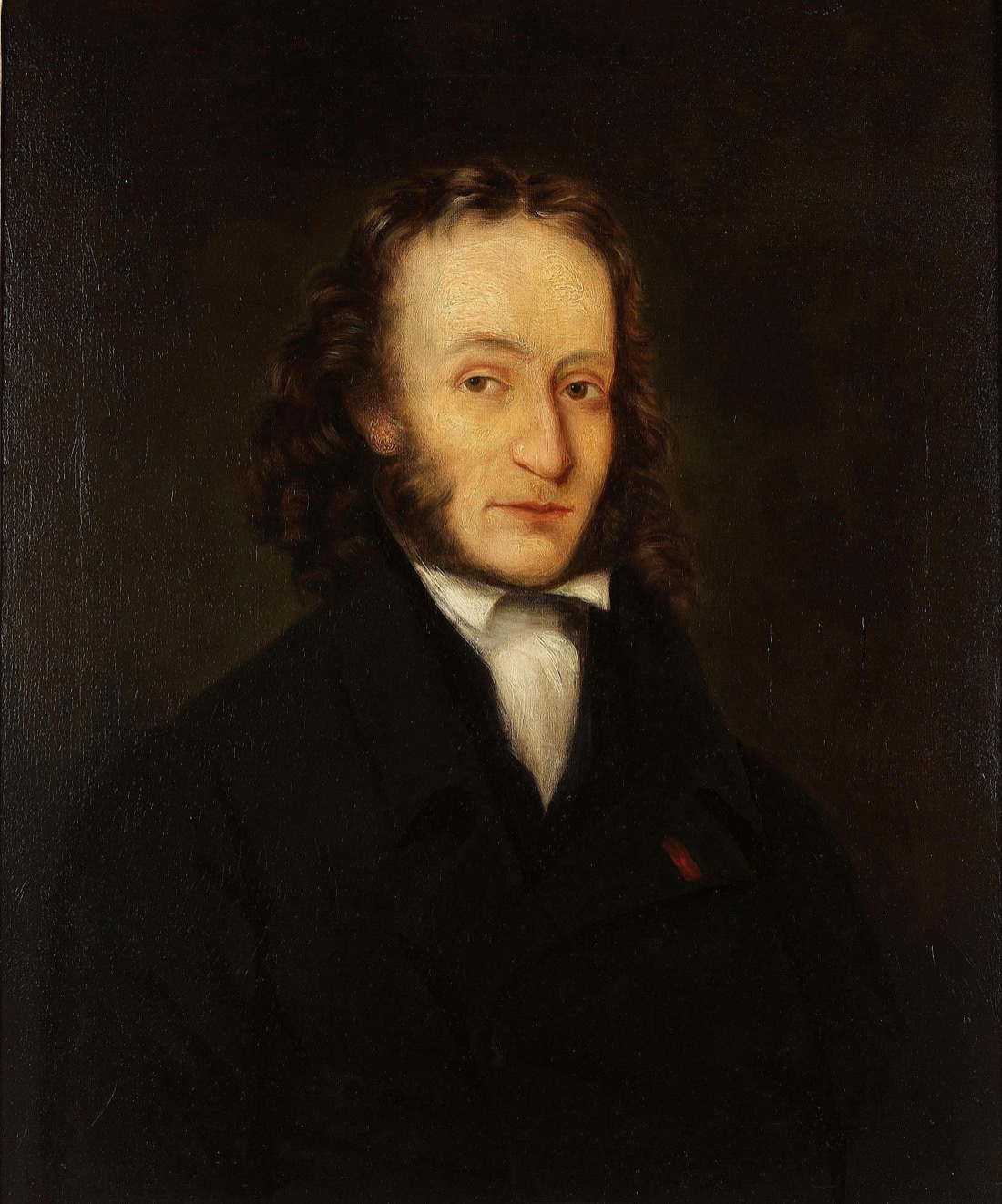
John Whittle, public domain, via Wikimedia Commons
The most terrifying violinist who ever lived was, in his youth, a gambler of equal commitment and opposite talent, and on at least one occasion lost his own violin to the tables — whereupon a French merchant named Livron lent him a Guarneri del Gesù for a concert and, having heard him, refused to take it back. Rumor held that his technique had been purchased from the devil, and Paganini, understanding publicity a century before the term existed, declined to deny it with any conviction. His late-life attempt to open a Paris casino bearing his own name collapsed and consumed much of his fortune.
The verdict: He beat every violinist in Europe and lost to every card table in Italy. The devil, it turns out, deals both markets — and only one of them was ever going to pay Paganini out.
Source: Wikipedia
07
Murder, Postponed for an Overture — Hector Berlioz, 1831
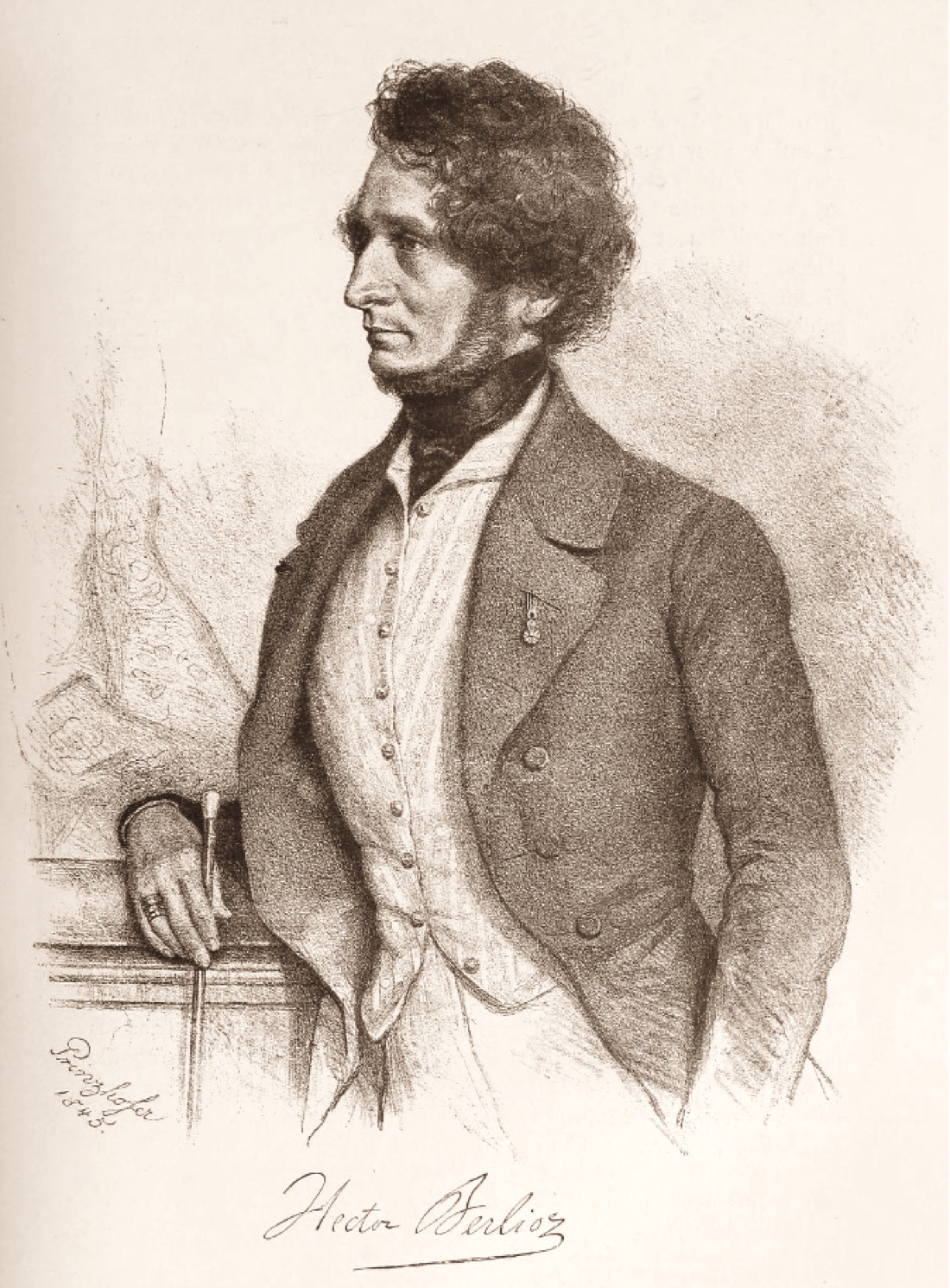
August Prinzhofer, public domain, via Wikimedia Commons
Learning in Rome that his fiancée Camille Moke had thrown him over for the piano manufacturer Camille Pleyel, Berlioz resolved — by his own gleeful account in his Memoirs — to return to Paris disguised as a lady's maid and shoot the bride, her mother, and the groom, keeping poison in reserve in case the pistols misfired, and then to kill himself. He procured the disguise, the pistols, and the poison, and set out. Somewhere around Nice the Mediterranean intervened; he cooled down, took rooms, and wrote the King Lear overture instead, later describing the whole episode with the satisfaction of a man recounting a successful premiere.
The verdict: The only triple homicide in history prevented by scenery. He then forgave himself in print, charged the public admission to the confession, and posterity filed it under 'Romanticism.'
Source: Wikipedia
08
The First Rock Star — Franz Liszt, 1840s
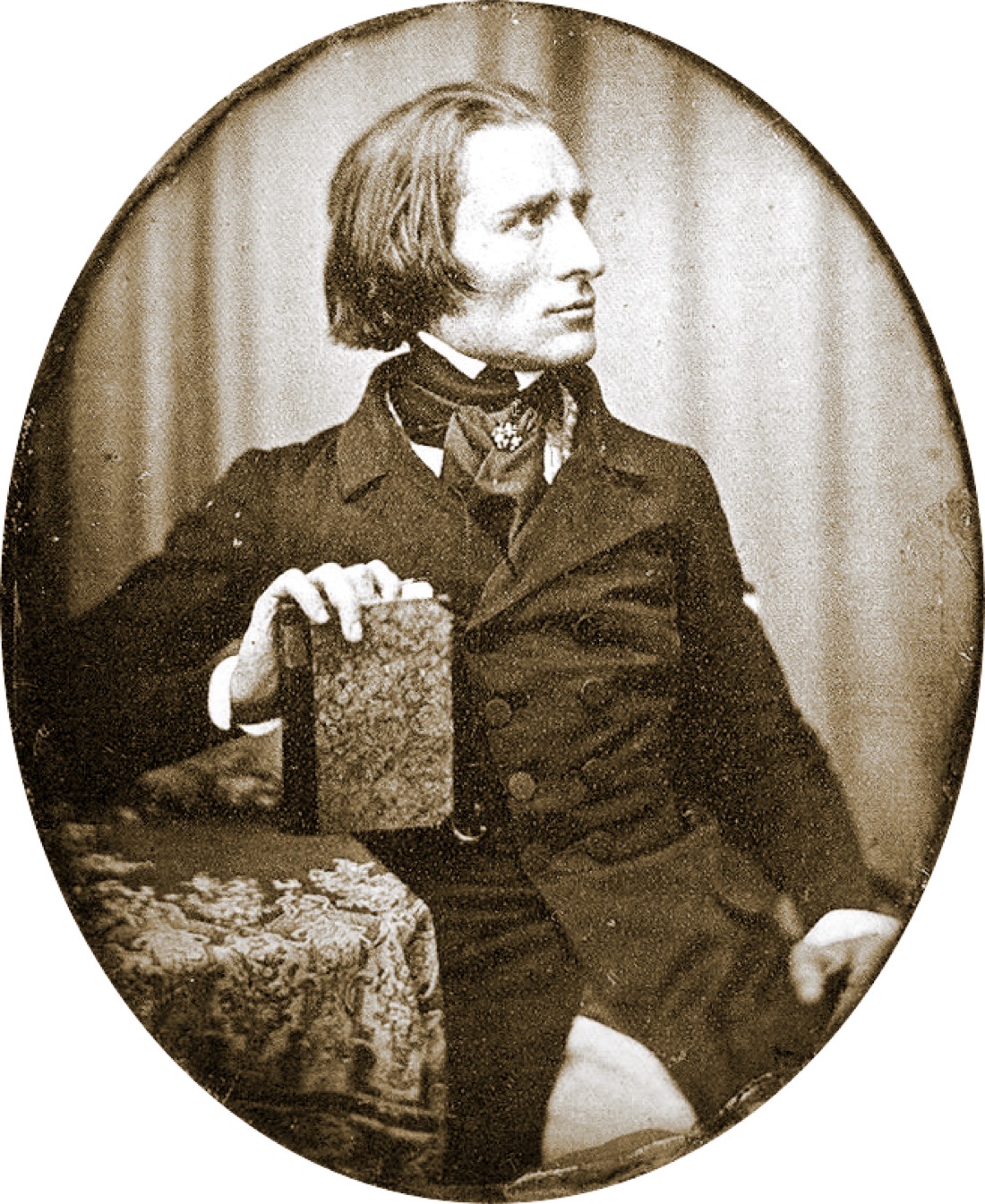
Herman Biow, public domain, via Wikimedia Commons
Heine coined the word Lisztomania for what happened when Liszt played: women fought over his gloves, wore his discarded cigar butts in lockets, and carried off his broken piano strings as relics of a living saint. The living saint had meanwhile eloped with the Countess Marie d'Agoult, a married woman who abandoned her husband and children for him and bore him three more, before the affair curdled and she avenged herself in a roman à clef. He spent decades touring Europe as its first arena act, took minor orders in Rome in his fifties, and finished life as the Abbé Liszt — confessor's collar over a conqueror's ledger.
The verdict: The nineteenth century invented mass celebrity and its object immediately demonstrated every abuse of it. The cassock came later, as it usually does — after the inventory was complete.
Source: Wikipedia
09
The Sponge of Bayreuth — Richard Wagner, 1839–1883
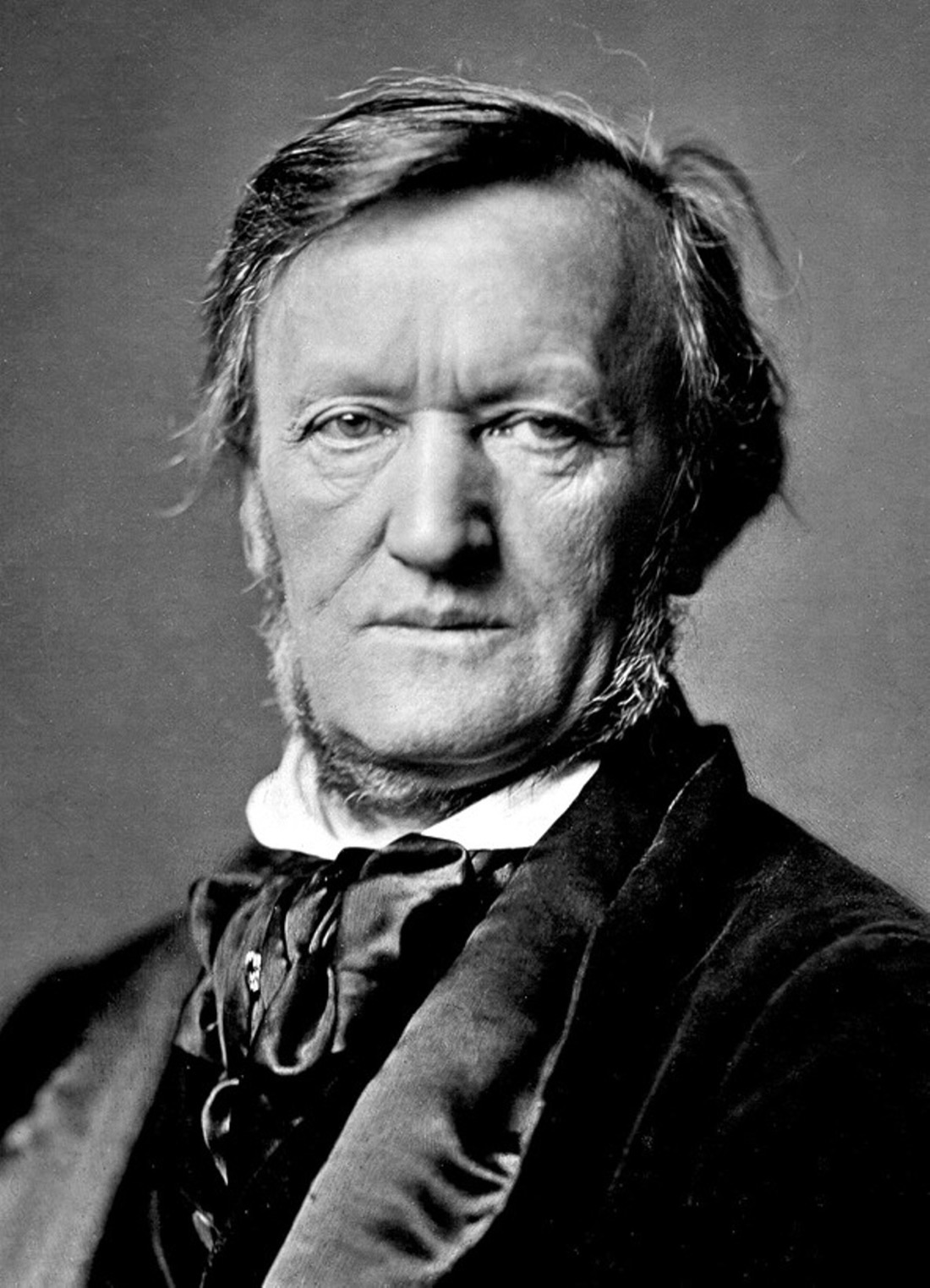
Franz Hanfstaengl, public domain, via Wikimedia Commons
Wagner fled Riga in 1839 without a passport, one step ahead of his creditors, and spent the rest of his life perfecting the arts of the borrowed fortune: a warrant out of Dresden for revolutionary agitation, decades of debts discharged by admirers, silk dressing gowns and scented apartments funded by other people's money. He repaid his patron Otto Wesendonck by romancing his wife, and his devoted conductor Hans von Bülow — then preparing the premiere of Tristan — by fathering children with Cosima von Bülow while she was still married to him. In 1850 he published, at first pseudonymously, an antisemitic pamphlet he liked well enough to reissue under his own name.
The verdict: The most complete case ever assembled that the art and the man keep separate ledgers. Everyone who loved him subsidized him; several were repaid in kind, none in cash.
Source: Wikipedia
10
Clair de Lune, Powder Burns — Claude Debussy, 1897–1904
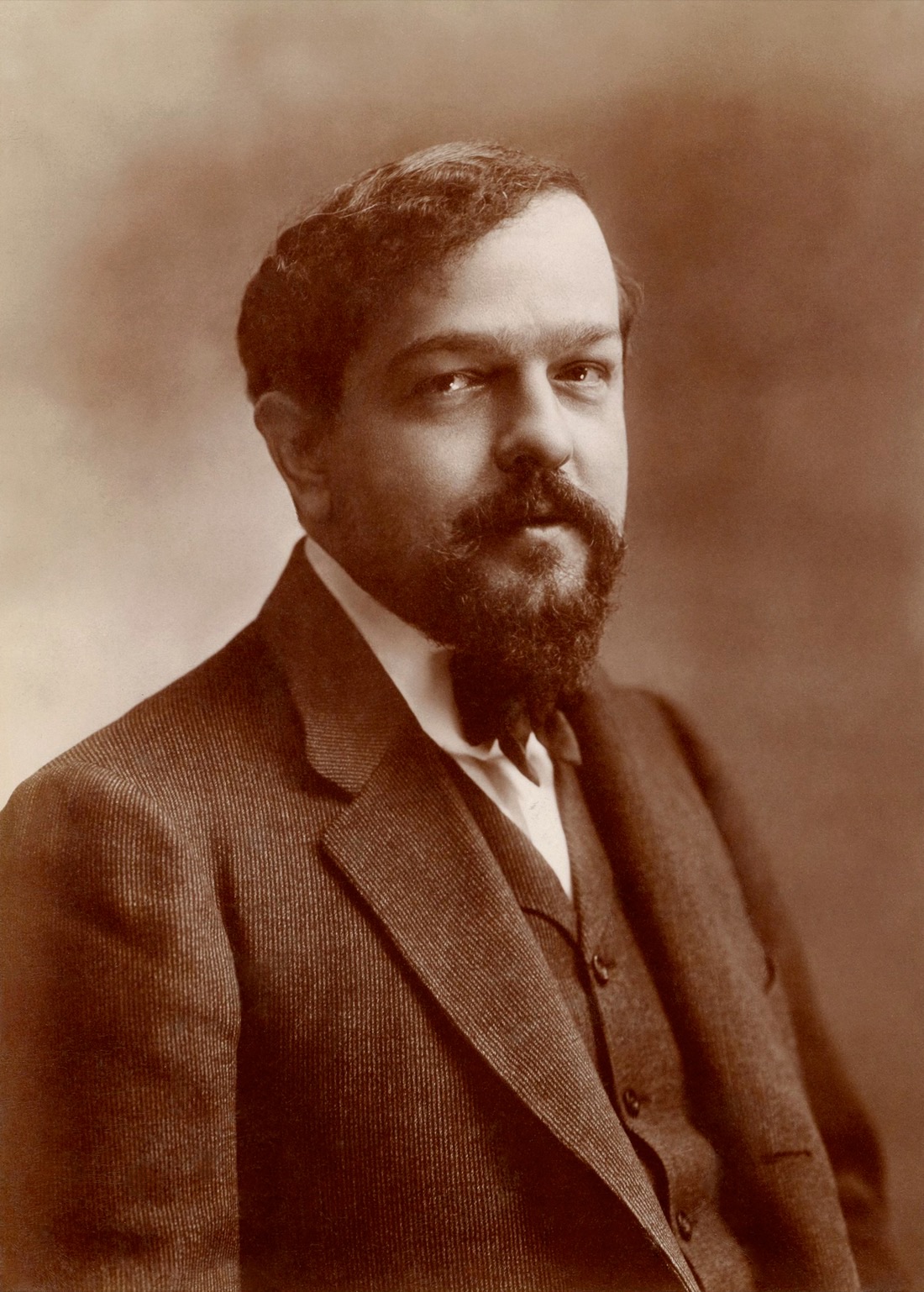
Atelier Nadar, public domain, via Wikimedia Commons
The composer of the most weightless music ever written left a trail of remarkably heavy objects: revolvers. In 1897 his mistress of seven years, Gaby Dupont, discovered a letter confirming what Paris already knew and shot herself; she survived. He then married the mannequin Lilly Texier, and in 1904 abandoned her for Emma Bardac, a married banker's wife of superior means and conversation — whereupon Lilly, too, put a revolver to her chest. She also survived, carrying the bullet in her vertebrae for the rest of her life, and Debussy's friends were sufficiently disgusted that a public subscription was raised for the abandoned wife while the composer departed with Emma. Every woman, it must be granted, came willingly; none was deceived about what he was, only about what it would cost.
The verdict: Consent acquits him of force; nothing acquits him of the arithmetic. Two revolvers in seven years is not romantic misfortune — it is a pattern with a composer attached.
Source: Wikipedia
11
A Mighty Hunter of Wild Fowl — Giacomo Puccini, 1909
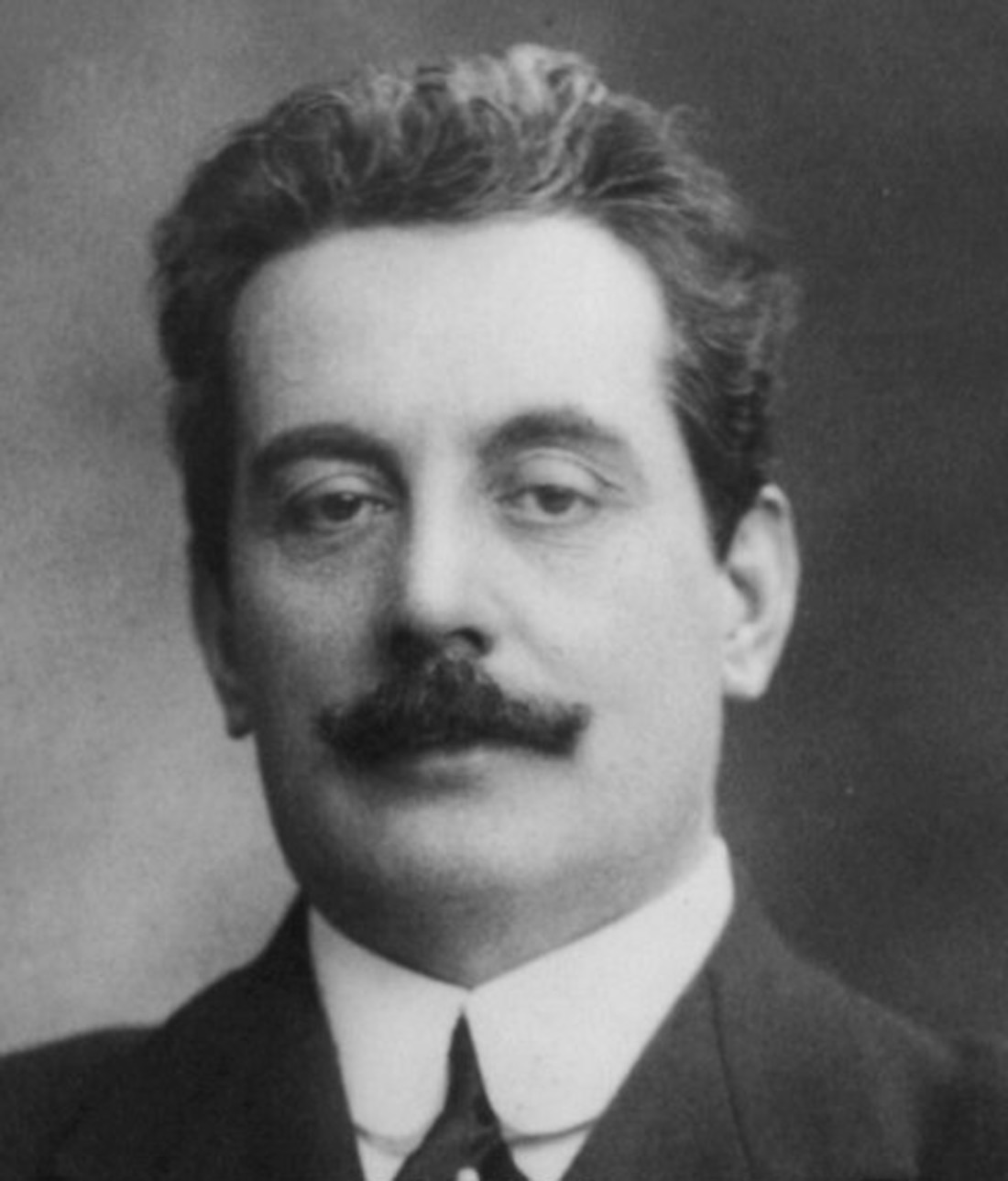
Library of Congress, public domain, via Wikimedia Commons
Puccini described himself as a mighty hunter of wild fowl, opera librettos, and attractive women, and pursued all three with the same trigger discipline. The darkest entry in the file is the one where the gun was pointed by proxy: in 1909 his wife Elvira publicly accused their young servant Doria Manfredi of an affair with the maestro and hounded the girl through the village of Torre del Lago until she swallowed poison. The autopsy established her innocence. The Manfredi family prosecuted Elvira, who was convicted and sentenced; Puccini's money settled the matter before the sentence was served, and the household resumed. The operas, meanwhile, filled with young women who die for love while the orchestra weeps.
The verdict: He spent his career composing the deaths of innocent girls and his money burying the inquest into a real one. The verdict at Torre del Lago was the only one his genius ever bought outright.
Source: Wikipedia
12
The Ornithology Portfolio — Ozzy Osbourne, 1981–1982
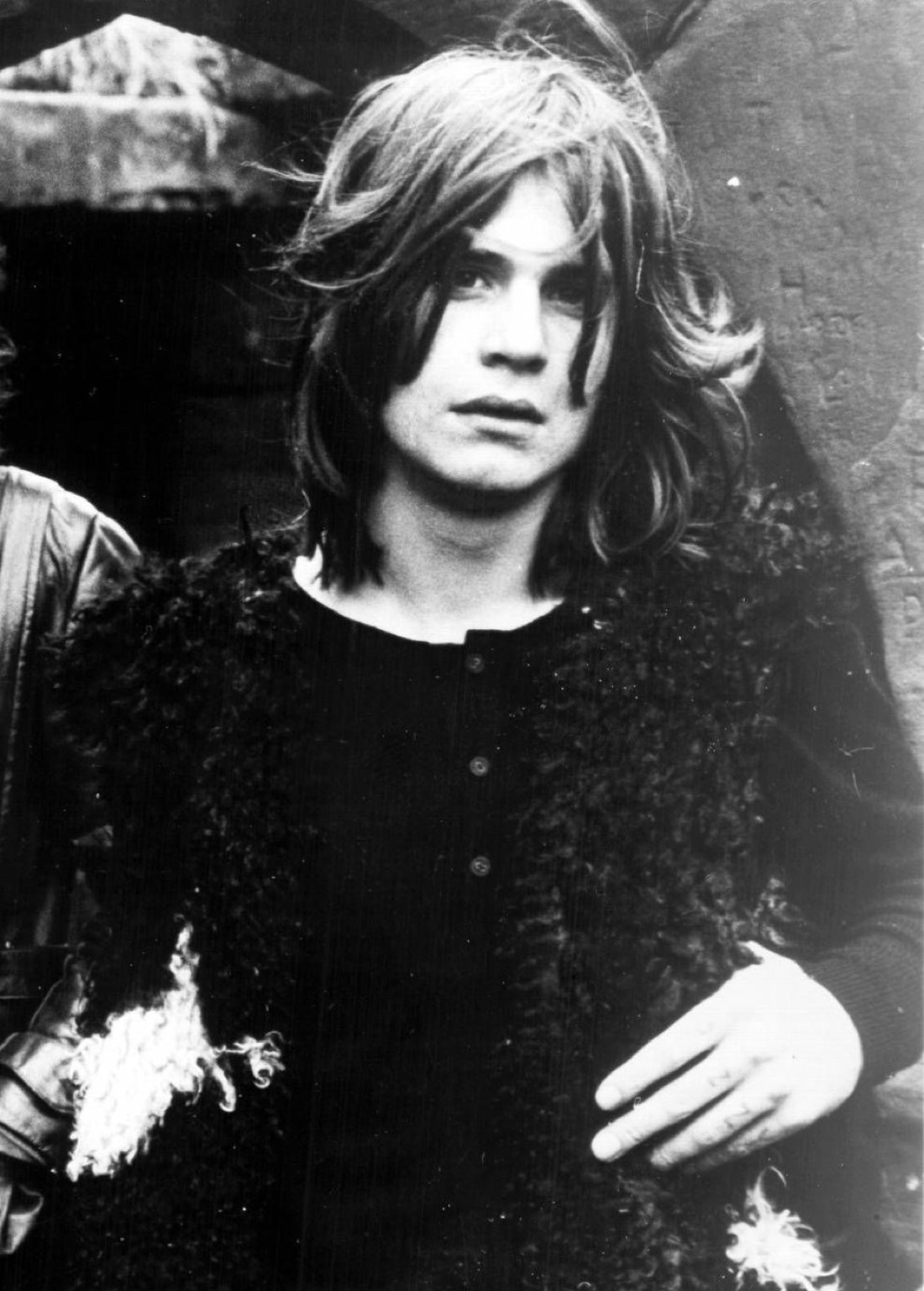
Warner Bros. Records, 1970, public domain, via Wikimedia Commons
In March 1981, at a Los Angeles meeting with CBS Records executives, Ozzy Osbourne — the plan had been a goodwill release of doves — bit the head off one instead. In January 1982, onstage in Des Moines, a fan threw a bat onto the stage; Ozzy, taking it for rubber, bit that head off too, and spent the following days receiving rabies injections. A month later he was arrested for relieving himself on the cenotaph by the Alamo while wearing his fiancée's dress, and was banned from San Antonio for a decade until an apology and a donation restored relations. He died in 2025 a knight of the realm in all but paperwork — a national treasure, mourned by millions.
The verdict: Civilization's actual policy on depravity, written plainly: survive it long enough, apologize once, donate to the shrine, and the same species that pressed charges will lower its flags for you.
Source: Wikipedia
13
The Actuarial Miracle — Mötley Crüe, 1981–2001

Photo: Bjornsphoto, CC BY 3.0, via Wikimedia Commons
The collected conduct of Mötley Crüe, cheerfully confessed at book length in The Dirt, constitutes perhaps the most sustained program of documented depravity in the history of organized entertainment — two decades of pharmacological, hotel-structural, and matrimonial catastrophe, including a 1987 overdose after which Nikki Sixx was briefly declared dead, an experience he converted into a hit single. The bill, however, was largely paid by others: in 1984 Vince Neil, driving drunk, crashed and killed his passenger, Hanoi Rocks drummer Nicholas 'Razzle' Dingley. The sentence for a fatality was thirty days; he served about half, paid restitution, and toured on. The band, by all reports, eventually got sober and now conducts itself within the bounds of civilized society.
The verdict: They outlived their own obituaries and invoiced the near-misses as content. The one fatality in the ledger cost a fortnight of custody — proving the oldest Misanthrope theorem: the wages of sin are negotiable, if the sinner draws.
Source: Wikipedia
The pattern across four hundred years is too consistent to be coincidence: the gift and the character are separate accounts, and heaven audits neither against the other. The lesson is not to stop listening — the music remains the best evidence our species has to offer in its own defense. The lesson is to stop assuming the composer would have been pleasant company, honest with your money, or safe around your wife. Love the work. Count the spoons.
23 special editions. A new one every fortnight. The daily catalogue of human folly — free, every morning, from a trial lawyer who has run out of patience.