Special Edition
The Muse Loves a Monster: Artists Behaving Badly
From Cellini's dagger to Picasso's queue of the heartbroken — five centuries of immortal art made by men whose worst behavior only lengthened the line of women waiting to forgive them.
There is a comfortable theory, dear to museum wall-text, that the beauty a man makes and the beast he is have nothing to do with each other — that the vice is a regrettable footnote to the gift. The plastic arts refute it more brutally than any other discipline, because the painters and sculptors did not merely sin in private and paint in public; they were celebrated FOR the sinning, pardoned by popes, lionized by salons, and — the detail no wall-text prints — pursued by women in direct proportion to how badly they treated the last one. What follows is a gallery of thirteen, arranged chronologically so the reader may watch the costume change from doublet to smock to paint-spattered dungaree while the essential transaction holds perfectly still. The men brawled, stabbed, abandoned, seduced, and betrayed. The work outlived every victim. And the muse, that supposed patroness of the good and the true, kept knocking on the worst doors on the street.
01
Dead of Too Much Love — Raphael, 1520
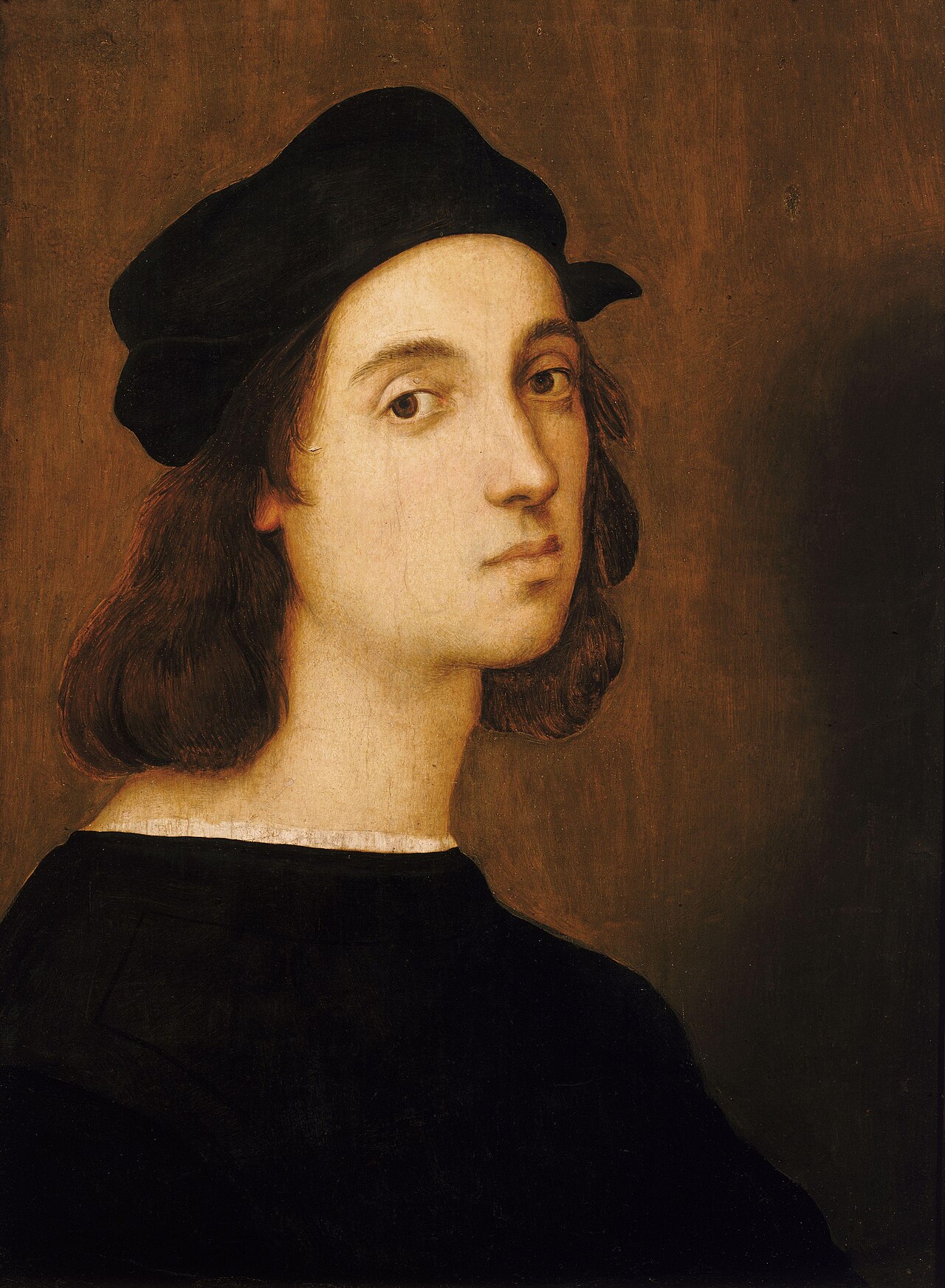
The gentlest of the great masters earns his place here by the manner of his leaving. Raphael Sanzio, whose Madonnas set the Western standard for serene virtue, kept a Roman mistress — the baker's daughter remembered as La Fornarina — with an appetite that his biographer Giorgio Vasari records as fatal. Vasari relates that Raphael, unwilling to abandon his amours even under a commission's pressure, overindulged, returned home with a fever, and concealed its true cause from the physicians, who bled him under a false diagnosis and finished what the pleasure had started. He died on his thirty-seventh birthday, Good Friday of 1520, and all Rome mourned as if a prince had fallen.
The verdict: He painted the age's chastest women and died of its least chaste habit. The city that should have blushed instead built him a tomb in the Pantheon — the first proof on our list that the sin, properly gilded, is indistinguishable from the halo.
Source: Wikipedia — Raphael
02
The Sculptor Who Kept His Own Score — Benvenuto Cellini, c. 1540
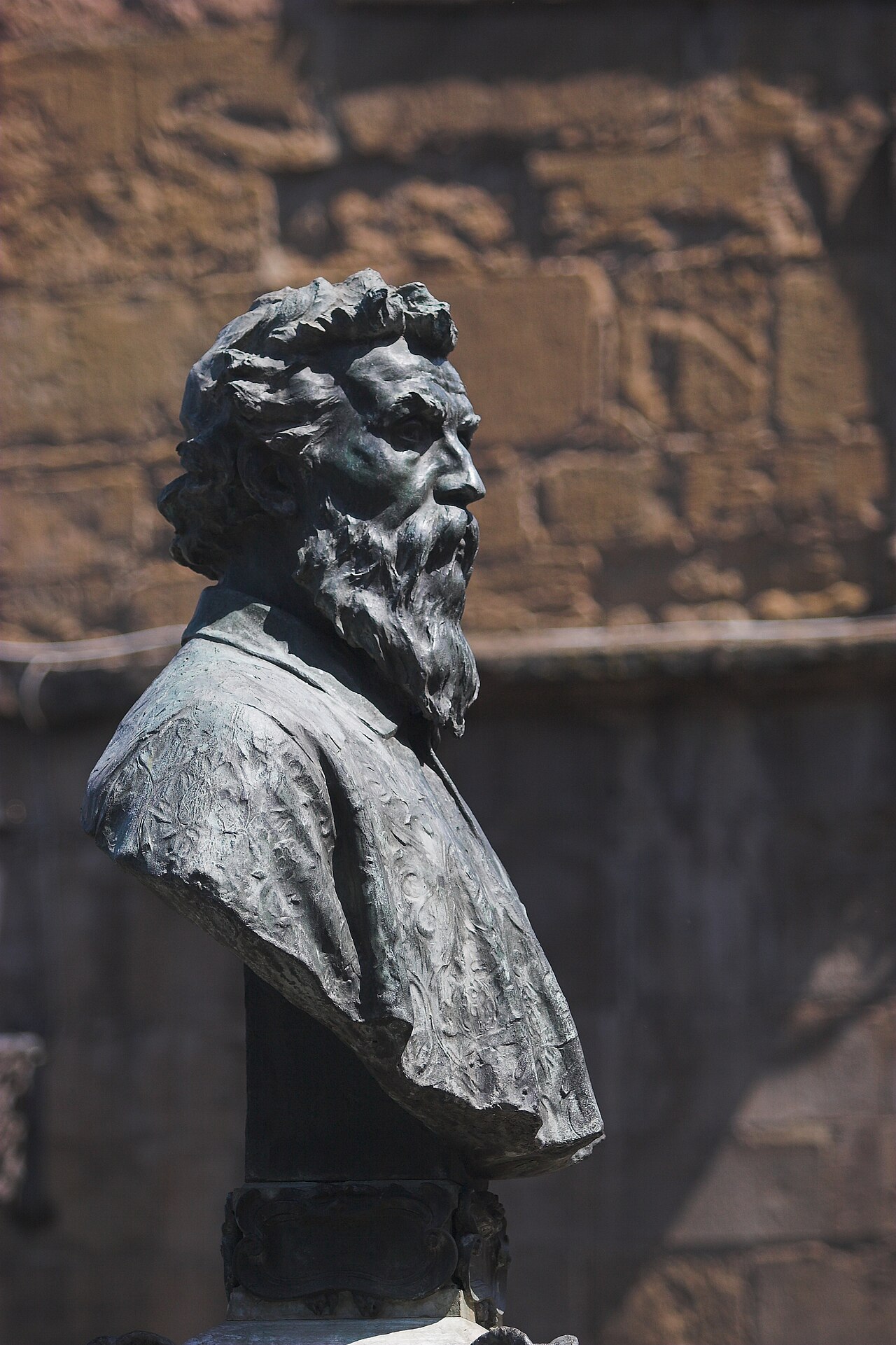
Cellini cast the bronze Perseus that still stands in Florence and stole most of the credit for the Renaissance goldsmith's art — and we know the tally of his killings chiefly because he bragged about them himself, in an Autobiography that reads like a confession composed by the defense. He describes avenging his brother by knifing the man he blamed, dispatching a rival goldsmith named Pompeo in the open street, and picking off besiegers from the walls of the Castel Sant'Angelo, all narrated with the satisfaction of a craftsman describing a clean weld. Pope Paul III pardoned the street murder outright, reportedly on the theory that men unique in their profession are not bound by the law.
The verdict: He is the founding document of a durable genre: the artist as his own hagiographer, whose crimes become anecdotes the moment he is the one telling them. The book made him more admired, not less — the earliest evidence that the confession sells the confessor.
Source: Wikipedia — Benvenuto Cellini
03
A Death Sentence and a Following — Caravaggio, 1606
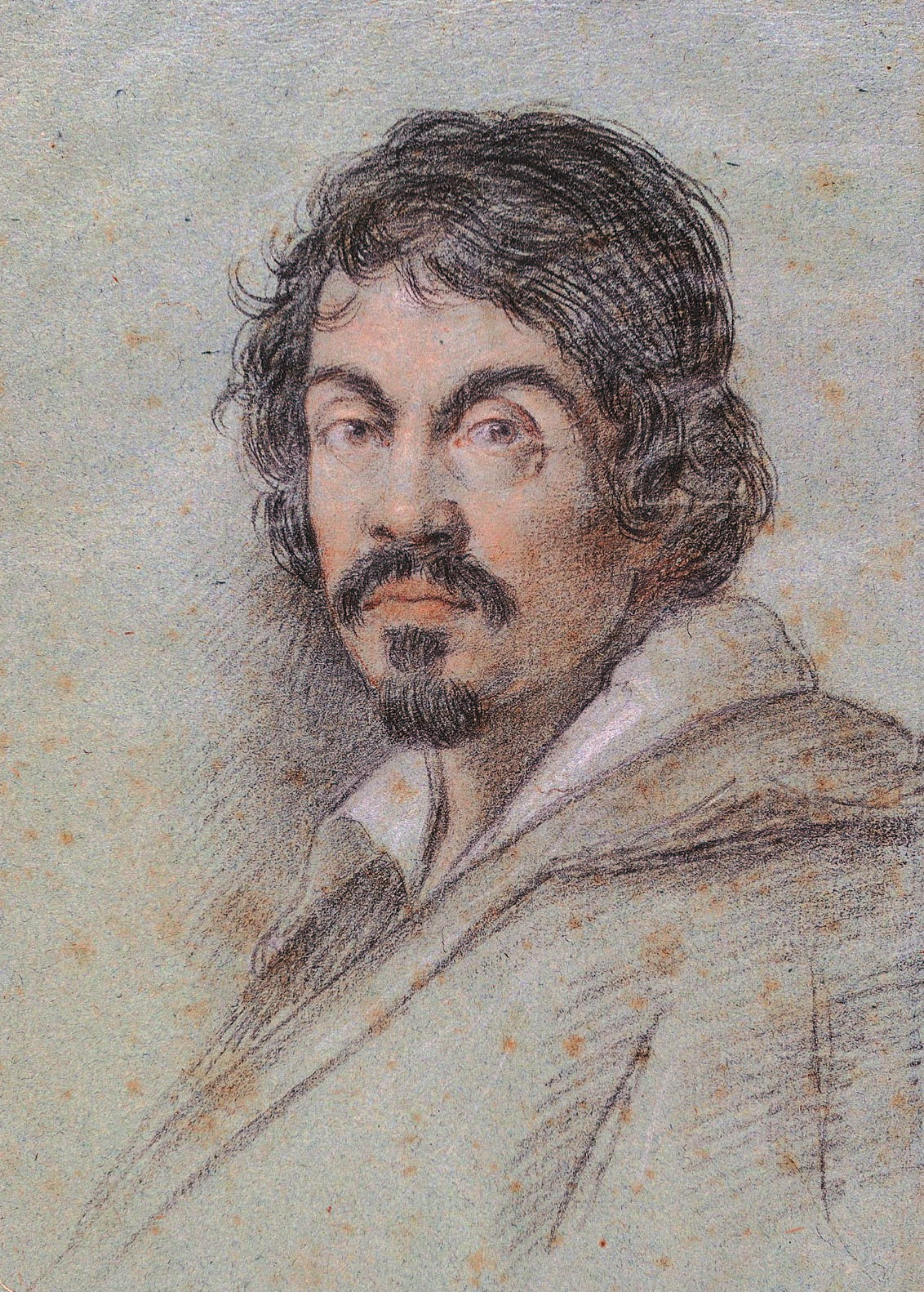
The painter who dragged sacred subjects down into the tavern light he found them in was, off the canvas, a documented menace: a rap sheet of Roman brawls, sword-carrying without license, insults, and thrown artichokes preceded the night of 28 May 1606, when he killed Ranuccio Tomassoni — reportedly over a wager, or a woman, or both — and earned a bando capitale, a death sentence that permitted any subject of the Pope to kill him on sight. He fled to Naples, Malta, and Sicily, painting masterpieces the whole way, his notoriety traveling with his genius and enhancing it, patrons competing for the work of the man wanted for murder.
The verdict: The death sentence should have ended him; instead it became the brand. Rome wanted his head and his altarpieces at the same time, and could not decide which more — the pattern in miniature of a culture that punishes the man with one hand and commissions him with the other.
Source: Wikipedia — Caravaggio
23 special editions. A new one every fortnight. The daily catalogue of human folly — free, every morning, from a trial lawyer who has run out of patience.
No algorithms. No engagement bait. Just the view from the abyss.
04
The Razor and the Papal Excuse — Gian Lorenzo Bernini, 1638
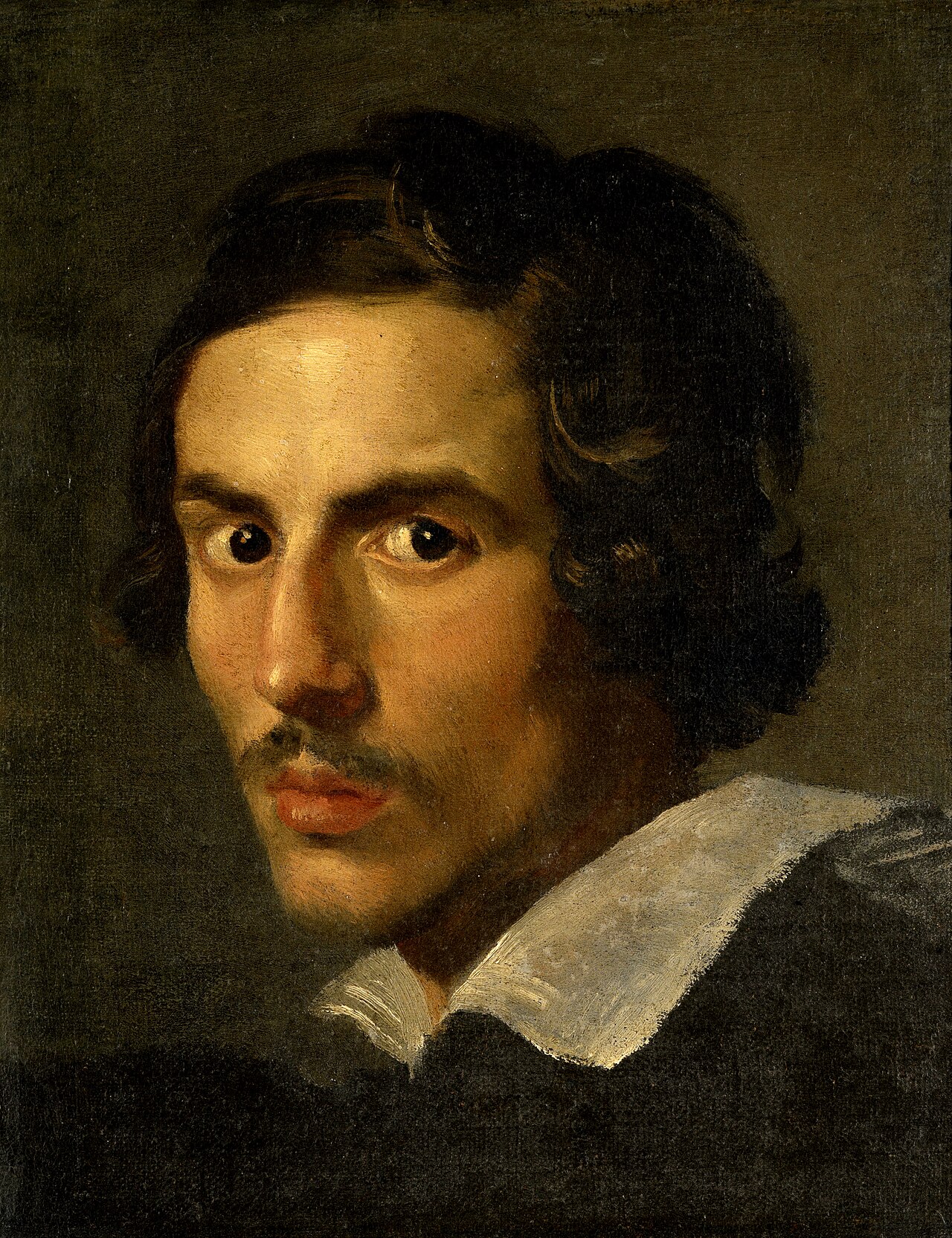
Bernini, the sculptor who gave the Baroque its ecstasies in marble, carved his mistress Costanza Bonarelli with parted lips and an open chemise — the sexiest portrait in European sculpture, one historian calls it. In the summer of 1638, discovering that Costanza had also been sleeping with his younger brother Luigi, Bernini attacked Luigi with a crowbar, breaking two ribs, chased him with a sword into a church, and dispatched a servant to slash Costanza's face with a razor. She was the one imprisoned, for adultery. Bernini paid a fine that Pope Urban VIII promptly waived, and the pontiff's remedy for the whole affair was to have the sculptor marry a respectable Roman girl, which he did the next year.
The verdict: A man mutilates his lover and the Church's solution is to find him a wife. The victim went to prison; the assailant got a papal matchmaker and forty more years of the century's grandest commissions. The muse, it turns out, has excellent references from the Vatican.
Source: Wikipedia — Costanza Bonarelli
05
The Farthing Verdict — James McNeill Whistler, 1878
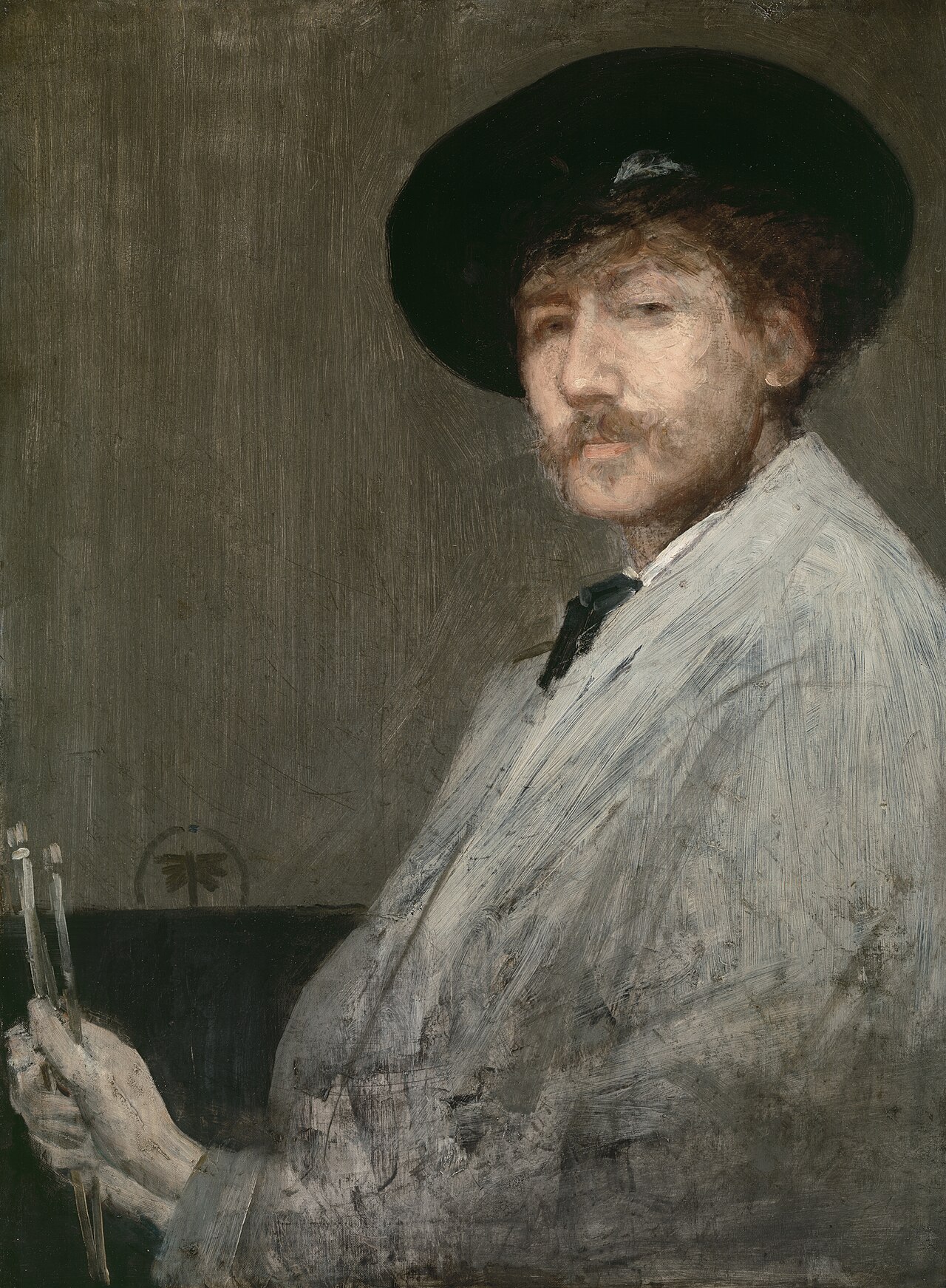
Not every artistic vice draws blood; some merely drain the room of oxygen. Whistler — dandy, wit, and self-appointed arbiter of everything — sued the critic John Ruskin for libel in 1878 after Ruskin accused him of 'flinging a pot of paint in the public's face.' Whistler won, and was awarded one farthing in damages: the jury's exquisite verdict on the size of his injury. The costs bankrupted him. He had spent a career cultivating enemies with an efficiency that suggested it was the real medium, feuding, litigating, and out-quipping anyone slow enough to be caught in a doorway with him.
The verdict: He proved that arrogance is a full-time studio practice in its own right, and that a man can be vindicated by a court and ruined by the same sentence. The farthing is the perfect unit of a reputation built entirely on being insufferable in public.
Source: Wikipedia — Whistler v Ruskin
06
Fourteen Suits, Filed Posthumously — Gustav Klimt, 1918
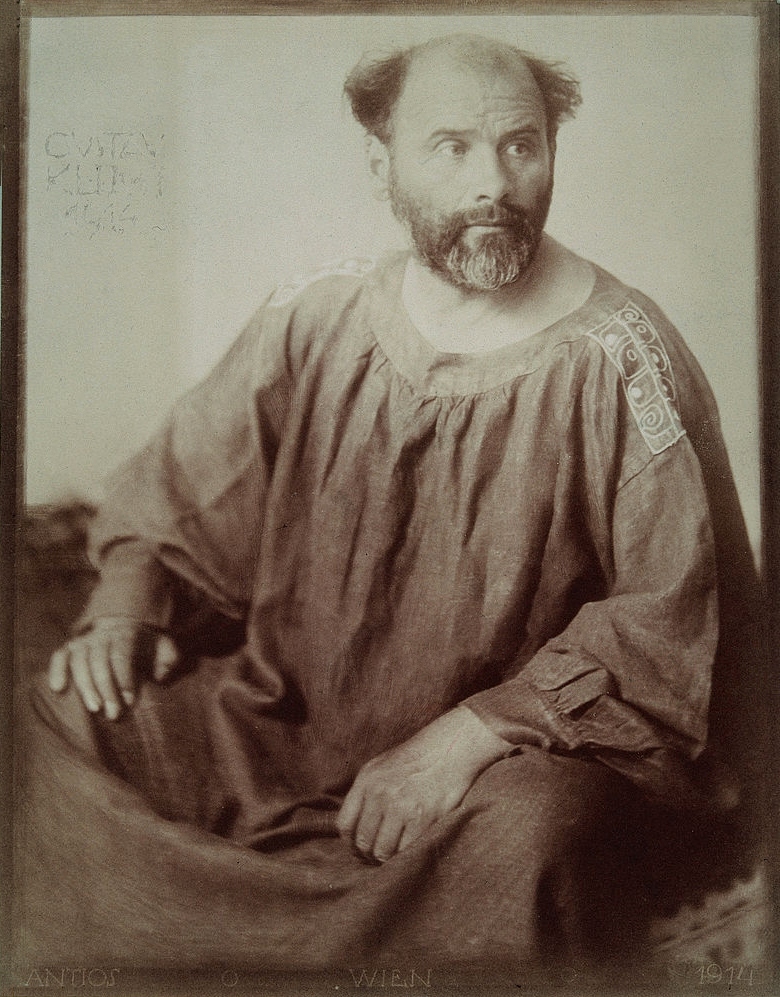
Klimt gilded Vienna's women into icons and treated a great many of them as models in more than one sense. He lived with his mother and sisters, kept the painter Emilie Flöge as his lifelong companion, and conducted a parallel career among the women who sat for him — so productively that after his death in 1918 something on the order of fourteen paternity claims were pressed against his estate. He acknowledged several children in his lifetime and financially supported some; the rest arrived with the reading of the will. His studio was famous for the models drifting through it, available to the master between poses.
The verdict: The gold leaf flattered the sitters into goddesses; the estate paperwork returned them to arithmetic. A man can spend a career sanctifying womanhood on canvas and still leave behind a courtroom full of it — the sacred and the actuarial, signed by the same hand.
Source: Wikipedia — Gustav Klimt
07
The Head-Patting Bohemian — Augustus John, c. 1910
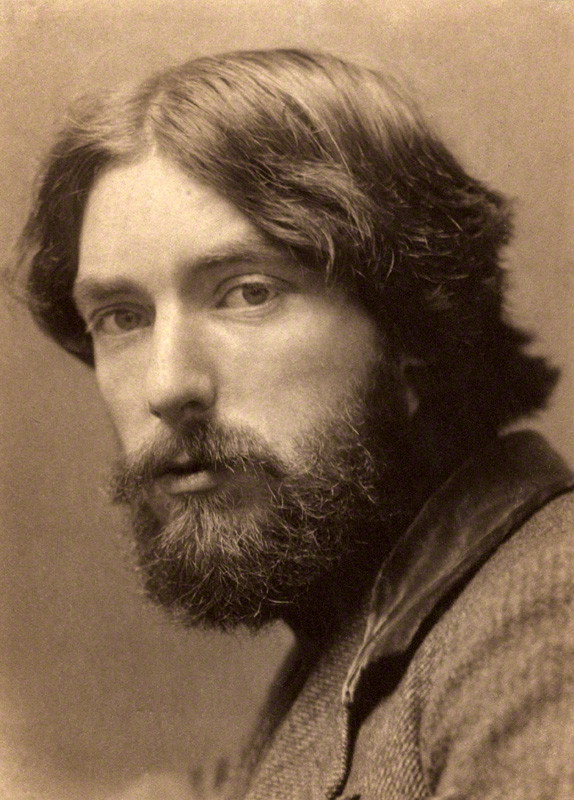
The most celebrated British painter of his day was also its most industrious philanderer, a Romani-romancing, caravan-dwelling bohemian who fathered a legend along with an uncounted brood of children across a shifting household of wives, mistresses, and models. The anecdote that trails him — probably too neat to be wholly true — held that when he passed children in the streets of Chelsea he patted their heads on the chance that they were his. Women flocked to the studio and the caravan alike; the disorder was not a deterrent but the attraction, the wild man's licence advertised as freedom rather than neglect.
The verdict: He turned domestic chaos into a personal brand and found, as such men reliably do, that the chaos recruited rather than repelled. The head-pat is apocryphal; the queue outside the studio was not.
Source: Wikipedia — Augustus John
08
A Window, Two Days Later — Amedeo Modigliani, 1920
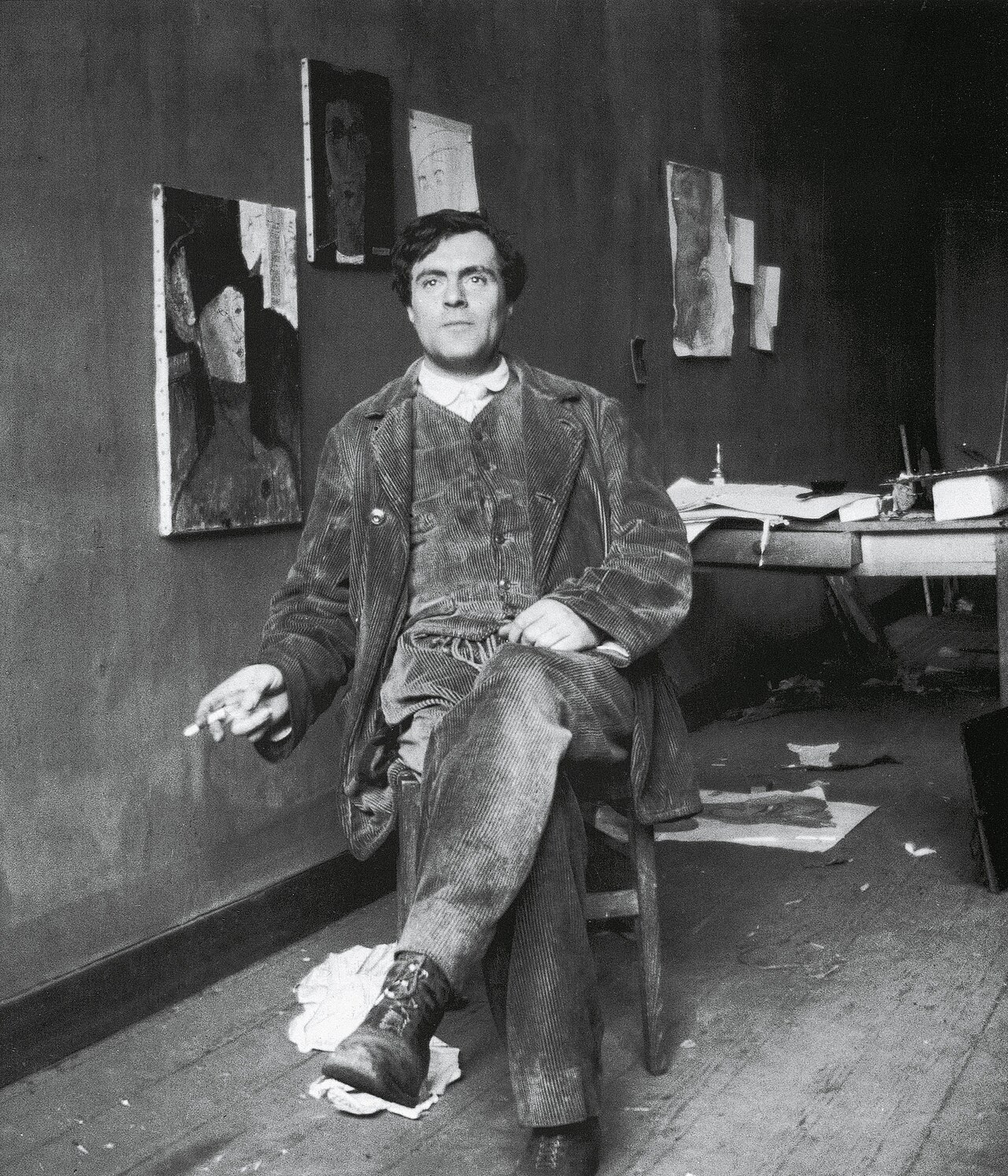
Modigliani painted the elongated, almond-eyed nudes that scandalized wartime Paris and lived the doomed-bohemian script so completely that it has been hard, ever since, to see the man under the myth: absinthe, hashish, tuberculosis, and a magnetism that pulled women toward a life he could not support. The youngest, the painter Jeanne Hébuterne, bore him a child and was carrying a second when he died of tubercular meningitis in January 1920, aged thirty-five. Two days after his death, nine months pregnant, she stepped backward out of a fifth-floor window. The romance of the destitute genius had one more casualty than the obituaries counted.
The verdict: His self-destruction was sold to posterity as beauty, and a young woman priced it in full. That is the cruelty at the center of the bohemian legend: the man's ruin is remembered as poetry, and the woman's is remembered as his epilogue.
Source: Wikipedia — Amedeo Modigliani
09
The Machine for Suffering — Pablo Picasso, 20th century
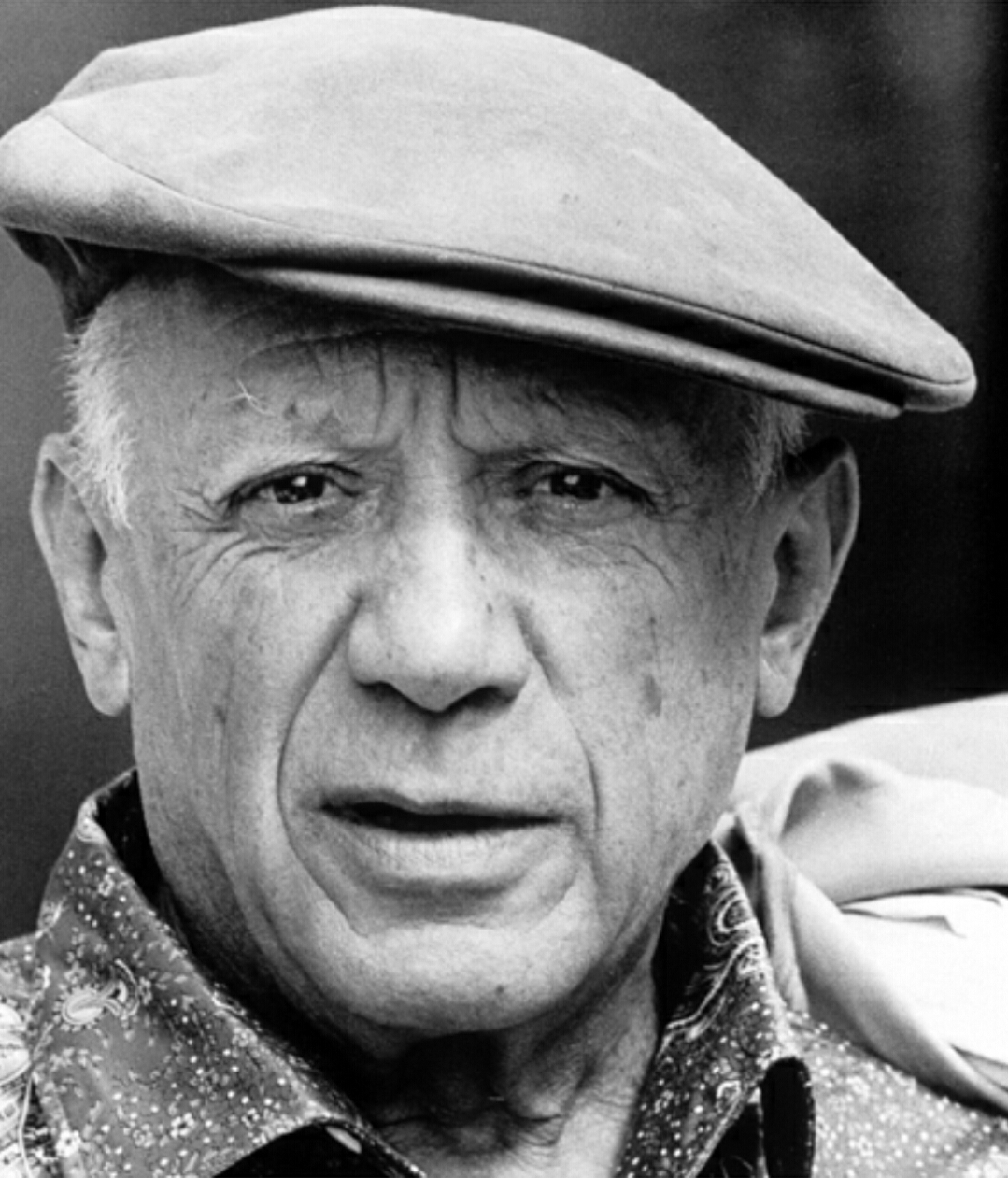
The century's dominant artist was, in his private conduct toward women, its most efficient dispenser of misery, and unusually candid about it: he is reported by Françoise Gilot — the one partner who left him and lived to publish — to have sorted women into two categories, goddesses and doormats, and to have specialized in the conversion of the former into the latter. His first wife Olga descended into breakdown; the devoted Marie-Thérèse Walter hanged herself years after him; his last wife Jacqueline shot herself. Gilot alone walked out intact, for which he tried to have her book suppressed and her subsequent career blocked. The affairs overlapped, the cruelties were documented, and none of it cost him a single admirer.
The verdict: He announced his contempt as a philosophy and the world took it for depth. The suffering he manufactured is now studied for what it reveals about his blue period. The muse did not flee the machine; she formed a line and fed it.
Source: Wikipedia — Pablo Picasso
10
The Frog Who Ate His Own Household — Diego Rivera, 1930s
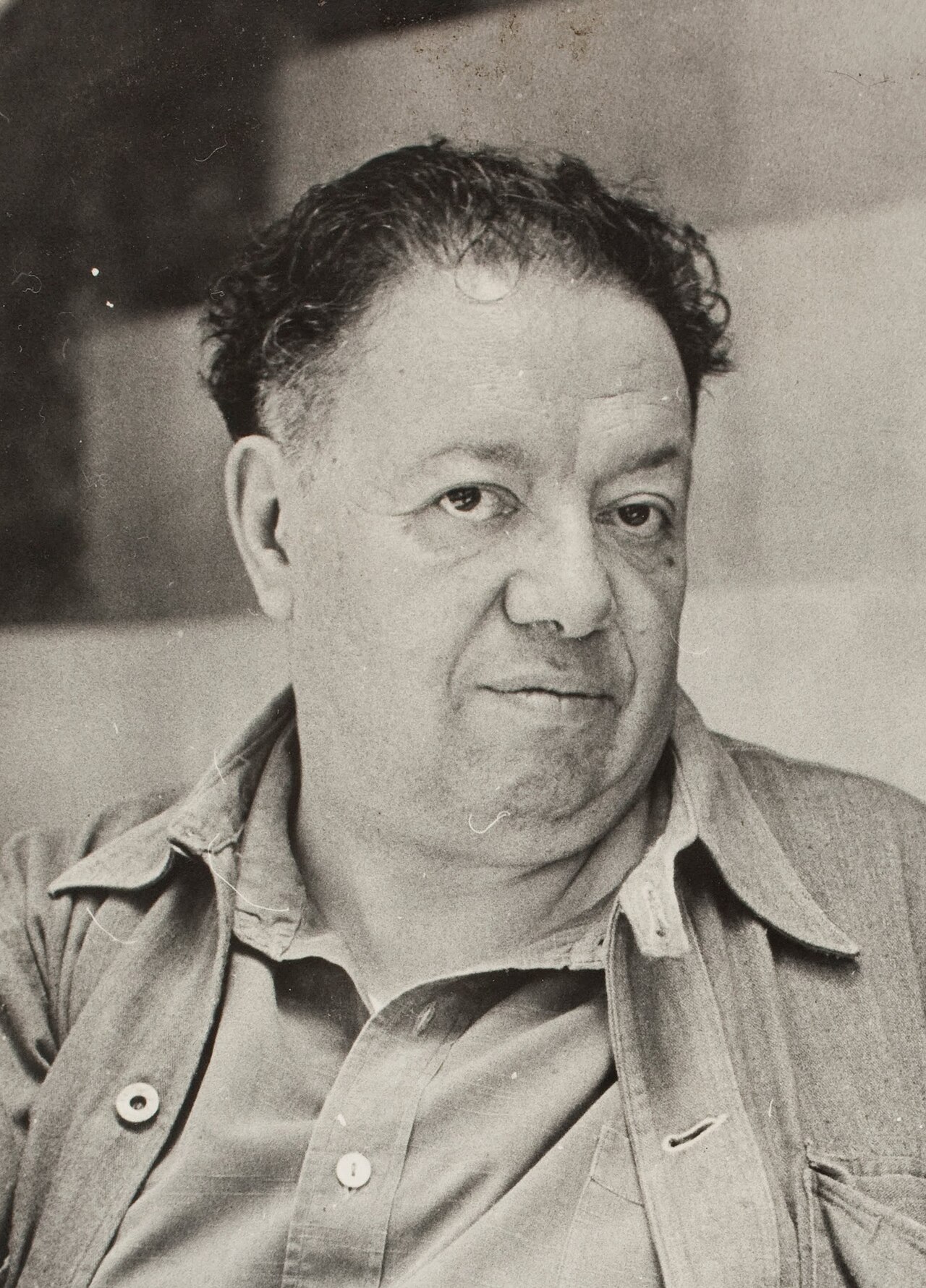
Rivera covered the walls of two nations with murals exalting the worker and the family, and honored neither at home. A serial and unrepentant philanderer across four marriages, he wed the far younger Frida Kahlo, betrayed her continuously, and chose for one of his conquests her own sister, Cristina — a wound she painted for the rest of her life. He was expansive, charming, monstrous, and entirely without apology, and the women, Kahlo foremost, kept returning; she divorced him and remarried him inside a year. The public muralist of solidarity ran a private economy of betrayal, and his fame only widened the field of the willing.
The verdict: He preached the dignity of the collective and practiced the appetite of the tyrant, and the contradiction cost him nothing but the peace of the people who loved him. The sister was not a lapse; she was the thesis, delivered with a mural-painter's sense of scale.
Source: Wikipedia — Diego Rivera
11
Avida Dollars — Salvador Dalí, mid-20th century
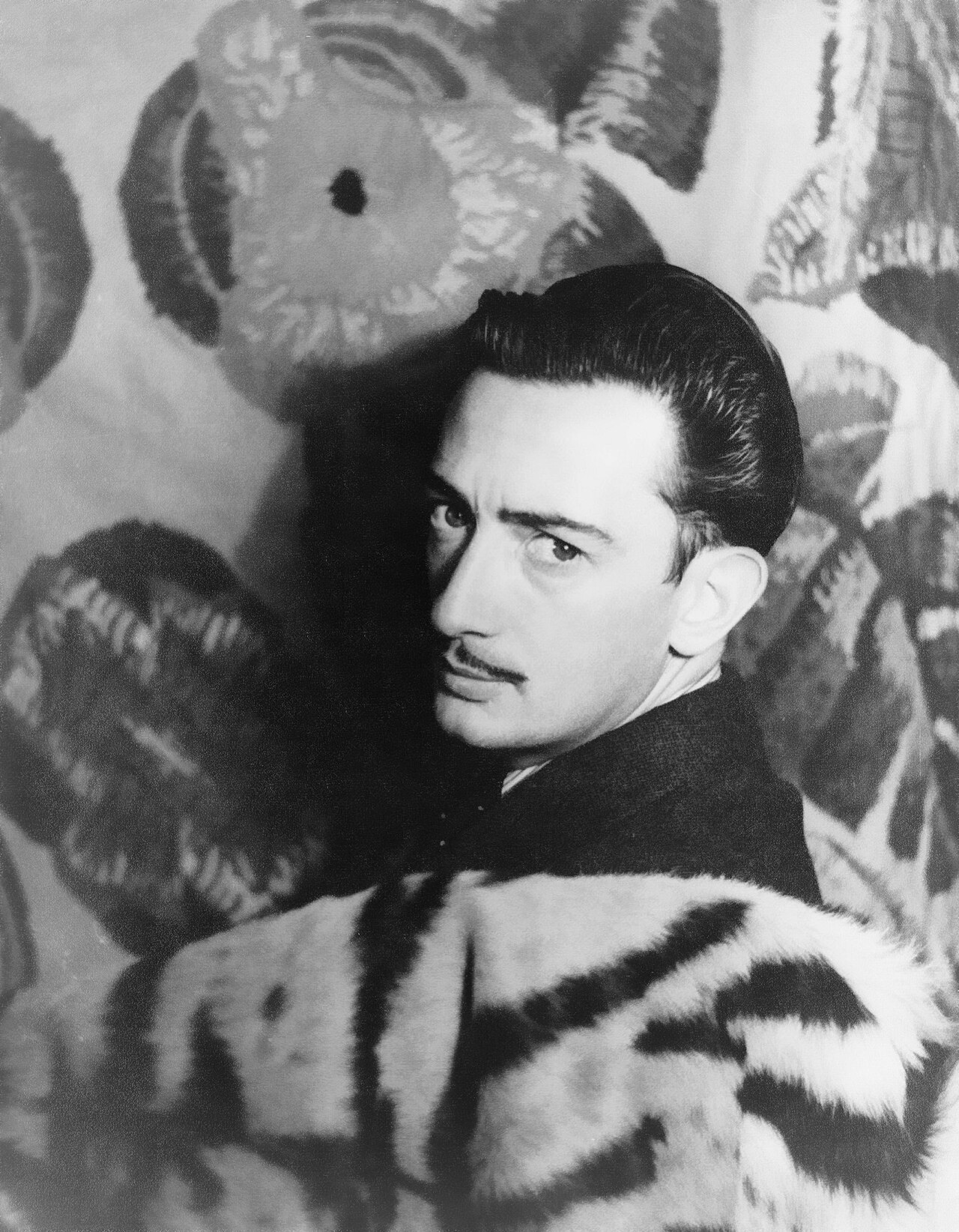
Dalí's genius came bundled with an avarice so nakedly displayed that André Breton expelled him from the Surrealists with an anagram of his name — Avida Dollars, 'eager for dollars.' He flattered dictators when it paid, cultivated a persona of calculated outrage, and in his declining years presided over one of the great frauds of the modern market: signing tens of thousands of blank sheets of paper, to be printed with 'Dalí' lithographs he never made, flooding the world with authentic forgeries of himself. His wife and manager Gala ran the accounts and the affairs both; the greed was not a weakness in the brand but the brand's engine.
The verdict: He commercialized even his own signature into meaninglessness and was rewarded with more fame, not less. The blank pages are the perfect relic of the age: a masterpiece of nothing, signed in advance, sold on the strength of the name that ruined it.
Source: Wikipedia — Salvador Dalí
12
The Passenger — Jackson Pollock, 1956
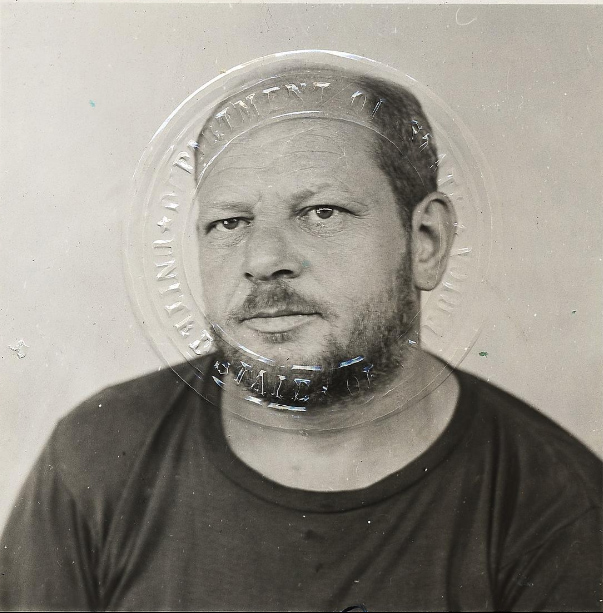
Pollock flung American painting loose from the easel and drank himself past the reach of the wife, Lee Krasner, who had built his career and tried to save his life. A volatile, violent alcoholic, he was carrying on with a young woman named Ruth Kligman in the summer of 1956 when, drunk behind the wheel on the night of 11 August, he crashed his car near his home in Springs. He killed himself, aged forty-four — and killed a passenger, Kligman's friend Edith Metzger, twenty-five, who had climbed into the car of a man too drunk to stand. Kligman survived. Metzger did not.
The verdict: The legend remembers the drips and the doomed genius; it tends to forget the name of the young woman his self-destruction took with it. Metzger is the footnote the myth is engineered to lose. Say the name: the muse's admirers are also, sometimes, her collateral.
Source: Wikipedia — Jackson Pollock
13
Fourteen Children and a Colder Eye — Lucian Freud, late 20th century
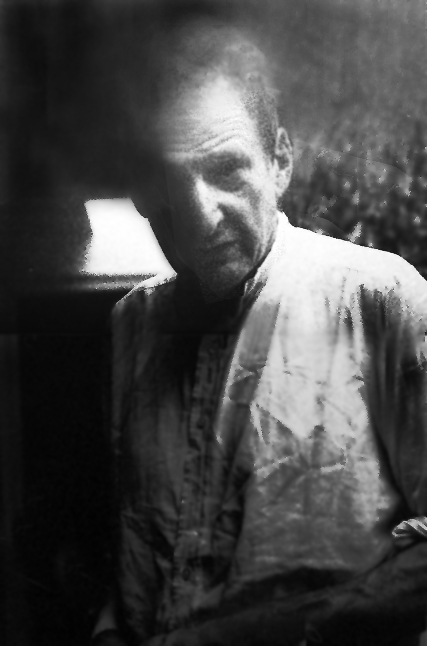
Freud painted flesh with a forensic, unforgiving honesty and lived among people with rather less of it. Reportedly the father of as many as fourteen acknowledged children — with the true count widely rumored higher — he pursued an unbroken sequence of much younger women, sat his lovers and daughters alike for the pitiless nudes that made his name, and cultivated a reputation for a ruthlessness he did not trouble to soften. He was a compulsive gambler and a magnetic, dangerous companion, and the danger was, once again, the draw: the women came for exactly the coldness the paintings recorded, and the paintings recorded exactly the coldness the women came for.
The verdict: He turned intimacy into anatomy and was celebrated as the century's great truth-teller of the body. The truth he declined to tell was about the man holding the brush. Even here, at the end of the line, the appetite advertised itself and was answered.
Source: Wikipedia — Lucian Freud
The consoling lie is that we tolerate the monster for the sake of the masterpiece — that civilization holds its nose and banks the painting. The record says something worse: the monstrousness was not tolerated but rewarded, and rewarded most reliably in the currency the men wanted, which was adoration. The razor did not cost Bernini his commissions or his bed; the abandoned families did not thin Picasso's queue; the fatal crash did not end the pilgrimages to Pollock's barn. Genius does not excuse cruelty. It advertises it — and the advertisement, to the eternal discredit of the species that answers it, works. Love the work. Pity whoever loved the man.
23 special editions. A new one every fortnight. The daily catalogue of human folly — free, every morning, from a trial lawyer who has run out of patience.